


































Backpacking Morocco: the complete travel guide
Morocco is one of the easiest countries in the world to backpack on a budget, and one of the easiest to do badly. Trains link the big cities, buses go almost everywhere else, a dorm bed costs less than a lunch in Paris — and yet many travellers come home having spent two weeks haggling, rushing and sweating in the wrong clothes. This guide is the version a Moroccan friend would give you: the route, the transport, the money, what to wear, and the few traps worth knowing.
Before you leave: visa, money, phone
Visa. Citizens of the EU, the UK, the US, Canada and many other countries enter Morocco without a visa for up to 90 days. Your passport must be valid for your whole stay; check the rule for your own nationality before booking.
Money. The currency is the dirham (MAD); roughly ten dirhams make one euro. The dirham is a closed currency, so you get it on arrival: ATMs are everywhere in cities and towns, and exchange offices at airports and in medinas give fair rates without commission. Keep your exchange receipts if you want to change dirhams back when you leave. Cash rules in souks, small cafés, taxis and most hostels; carry small notes and coins.
Phone. A local SIM (Maroc Telecom, Orange or inwi) with a data pack costs very little and is sold at the airport and in any phone shop with your passport. Mobile data works in nearly every town, including much of the road to the desert.
When to go
Spring (March to May) and autumn (September to November) are the best seasons for a full loop: warm days, cool nights, green valleys in spring. Summer is very hot inland and in the desert, though the coast stays pleasant. Winter is mild on the coast and in Marrakech by day, but nights are cold everywhere and the High Atlas gets snow.
Check the dates of Ramadan, which move about eleven days earlier each year. Travelling during Ramadan is perfectly possible and often memorable — the evenings after iftar are the liveliest of the year — but many cafés close during the day and timetables change.
A two-week route that works
The classic loop runs north to south, or the reverse:
Tangier (1–2 days) — arrival point for ferries from Spain and the start of the high-speed line. Chefchaouen (2 days) — the blue town in the Rif mountains, quiet, walkable, with easy hikes to the Spanish Mosque and Akchour waterfalls. Fes (2–3 days) — the oldest and most bewildering medina; take a guide for the first half-day. Merzouga (2 days) — the Erg Chebbi dunes, a night in a desert camp. Todra and Dades gorges, Aït Ben Haddou (2 days) — canyons, kasbahs, film sets. Marrakech (2–3 days) — Jemaa el-Fna, the souks, the gardens. Essaouira (2 days) — wind, ramparts, fish grilled at the port, the place to slow down at the end.
With an extra three days, add Imlil and the High Atlas from Marrakech. Toubkal, North Africa's highest peak at 4,167 m, is climbed in two days from Imlil; foreign hikers must go with a certified mountain guide, easily hired in the village.
Getting around
Train. The ONCF network is the most comfortable option: the Al Boraq high-speed line links Tangier to Rabat and Casablanca, and regular trains run on to Fes, Meknes and Marrakech. Second class is clean and cheap; tickets are sold on the ONCF app and at stations.
Bus. Where the train stops — Chefchaouen, Essaouira, the desert, the gorges — take CTM or Supratours buses. They are reliable, air-conditioned and bookable online; pay the small fee to check your bag in the hold.
Taxis. Petits taxis work inside a city: insist on the meter (« le compteur ») or agree the price before getting in. Grands taxis are shared cars between towns, leaving when full; you pay per seat, and you can buy two seats for more room.
Desert tours. Three-day tours from Marrakech to Merzouga are the easiest way to see the desert without a car. Cheap tours mean long days in the minibus; compare what is included (camp, dinner, camel ride) before paying.
Budget: what a day really costs
A backpacker on a tight budget can live on 300 to 450 MAD a day; around 600 MAD buys more comfort. Indicatively: a dorm bed in a riad-hostel costs about 80 to 150 MAD with breakfast, a tagine or couscous in a local restaurant 40 to 70 MAD, a mint tea 10 to 15 MAD, a city taxi ride 10 to 30 MAD. Prices are higher in Marrakech and in tourist restaurants facing the main squares; eat one street back.
Haggling is normal in the souks, not in shops with marked prices, supermarkets or transport. Start lower than you expect to pay, stay friendly, and walk away without guilt — it is part of the game, not an insult.
What to wear and what to pack
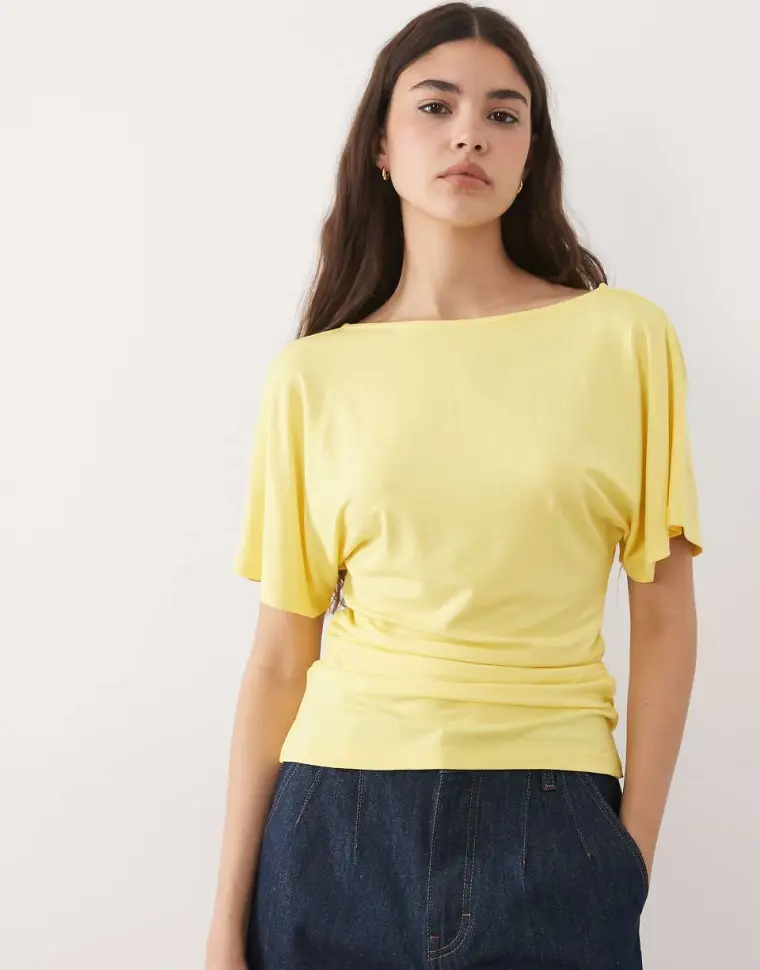
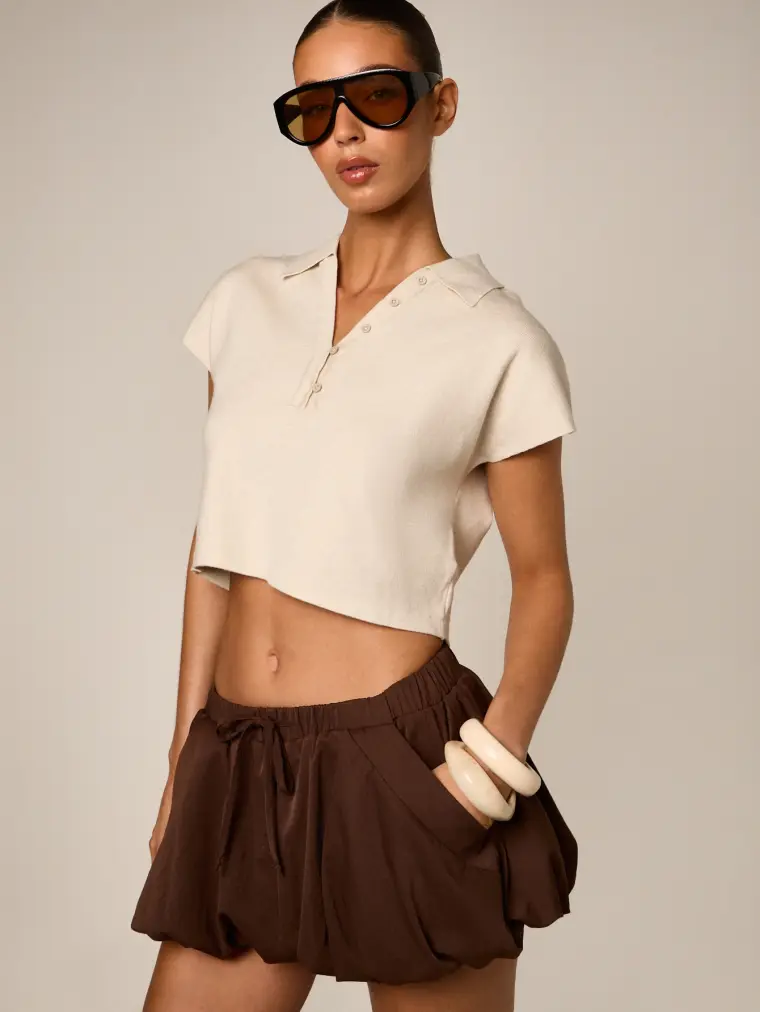
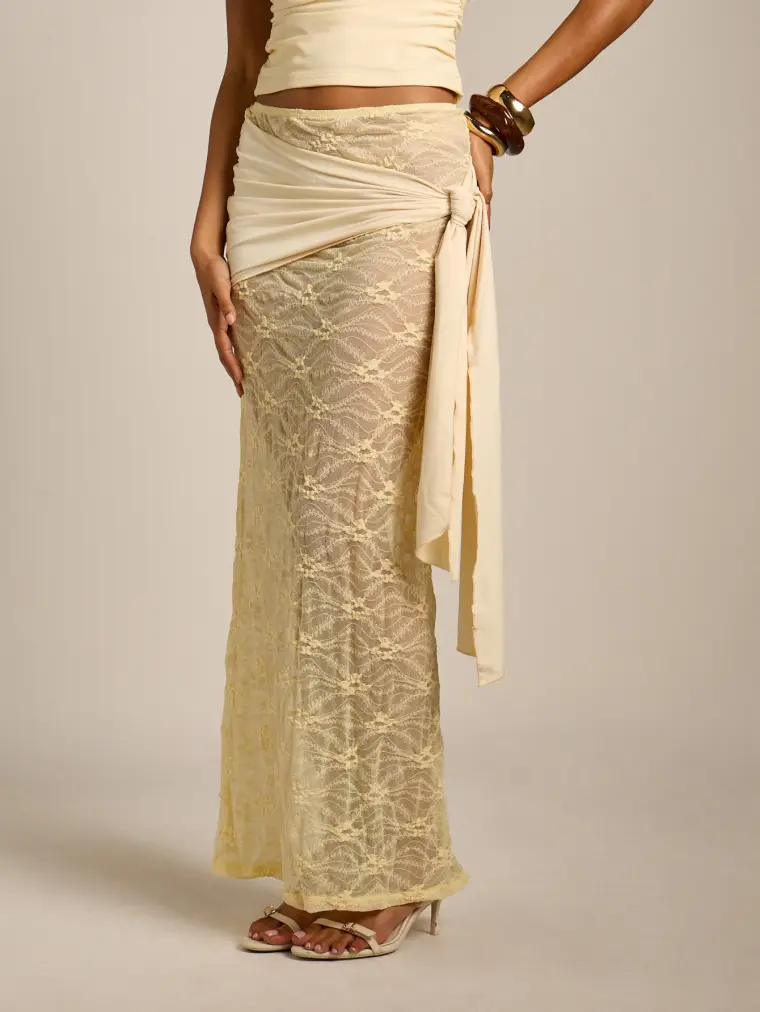
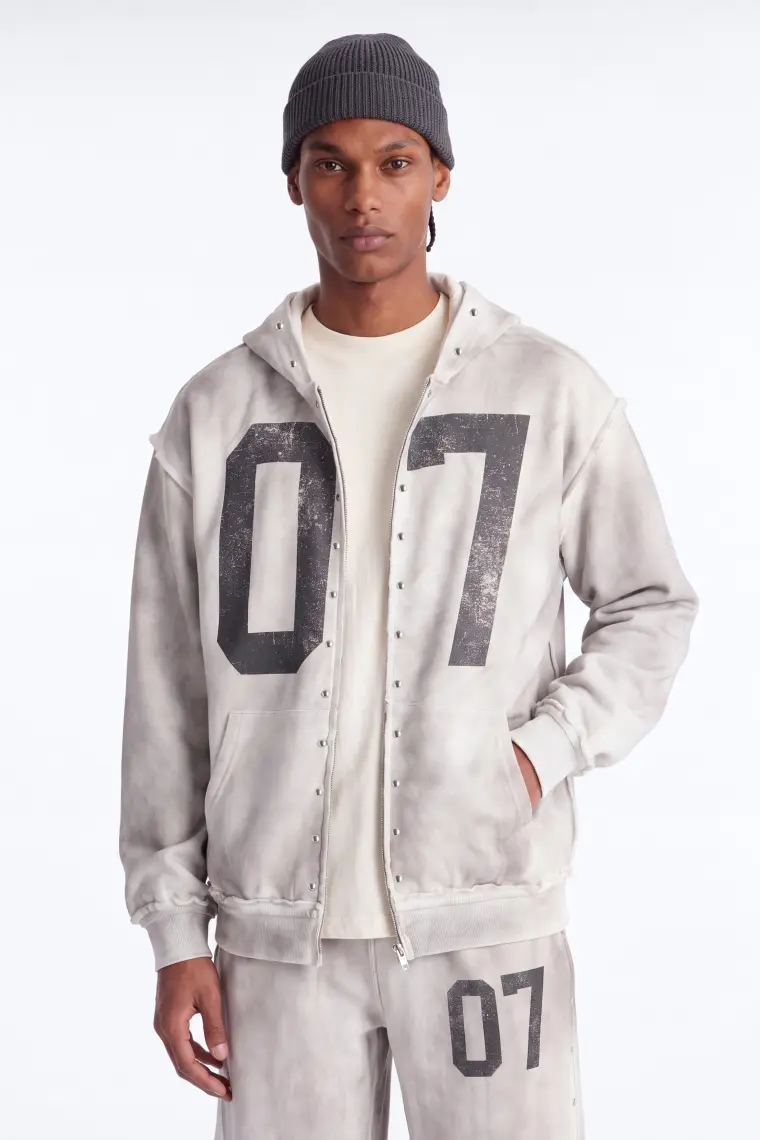
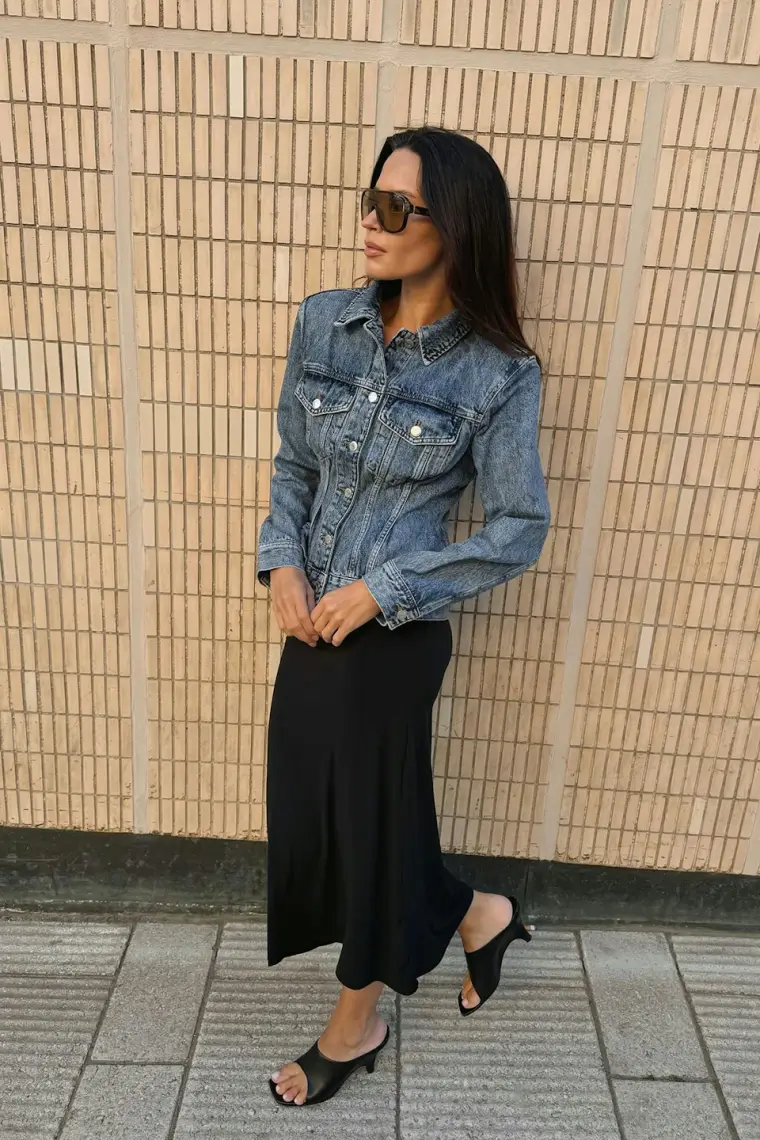
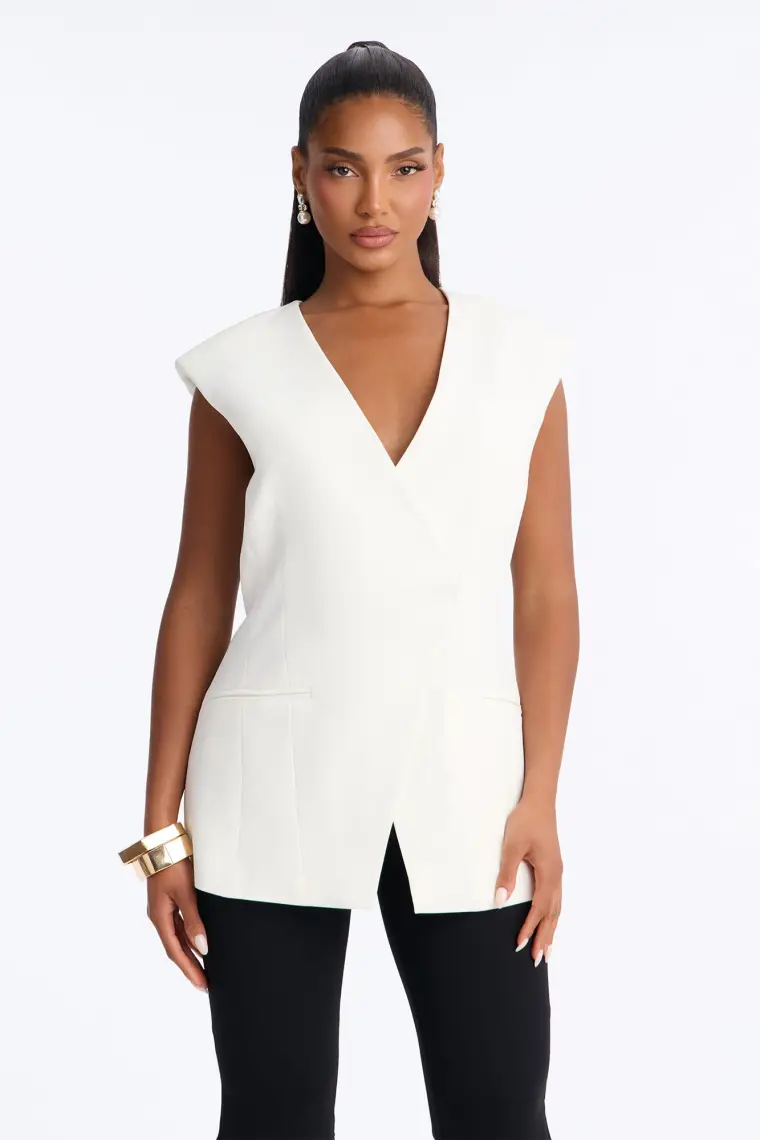
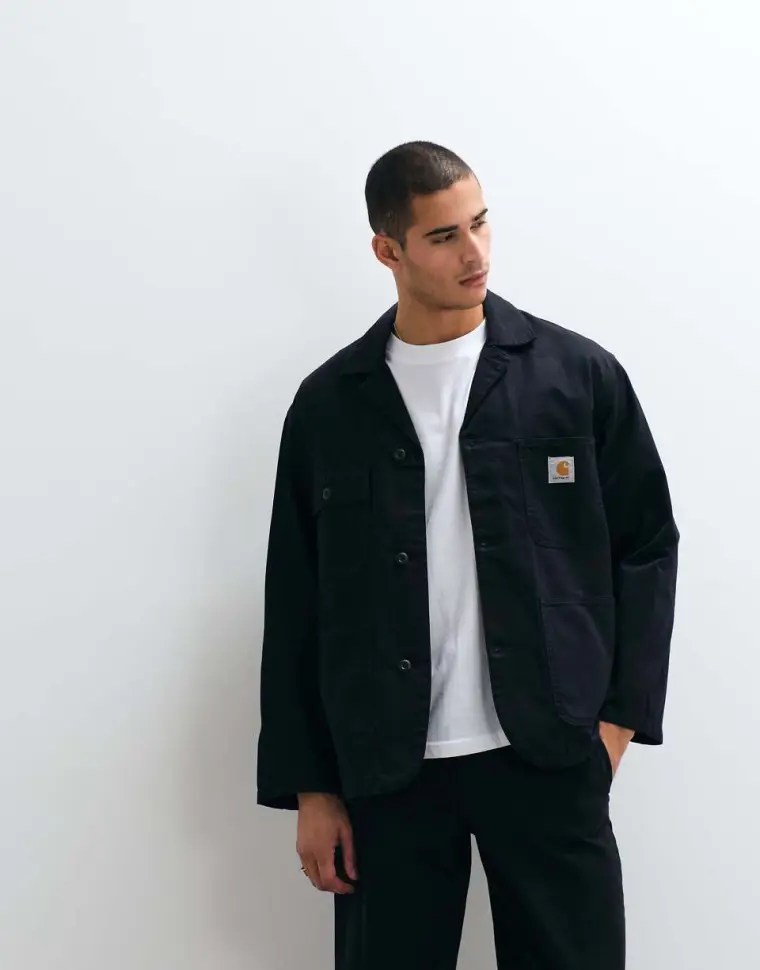
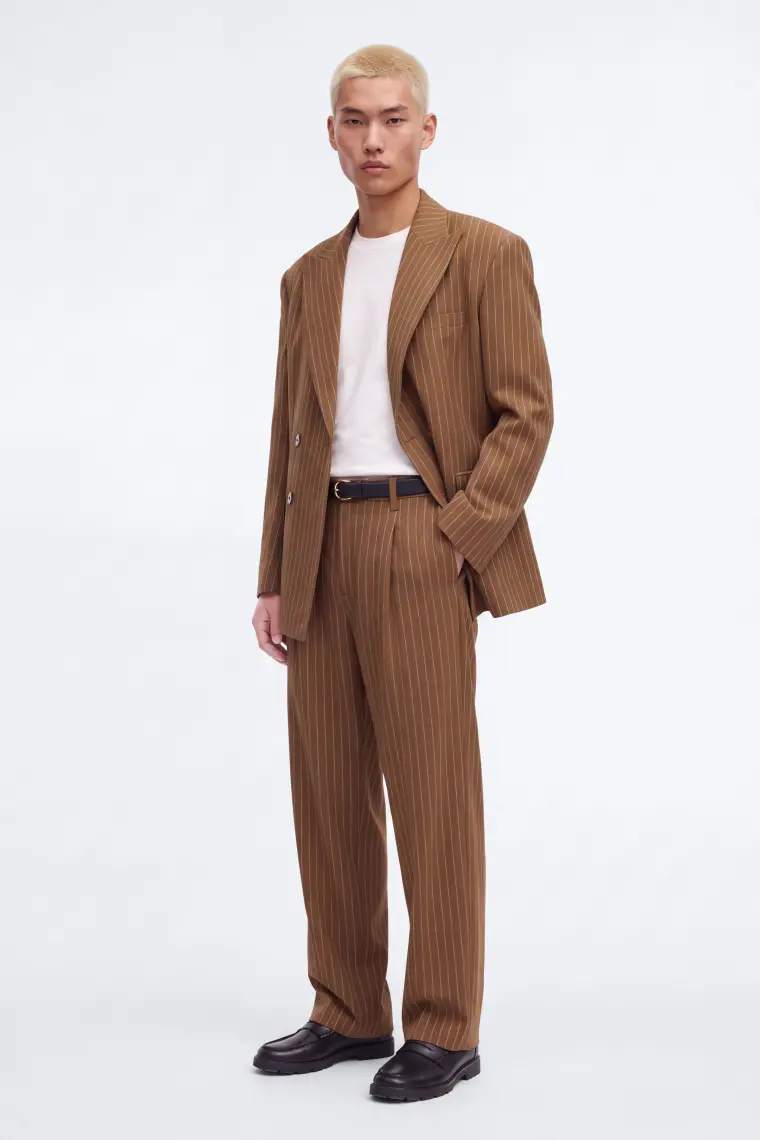
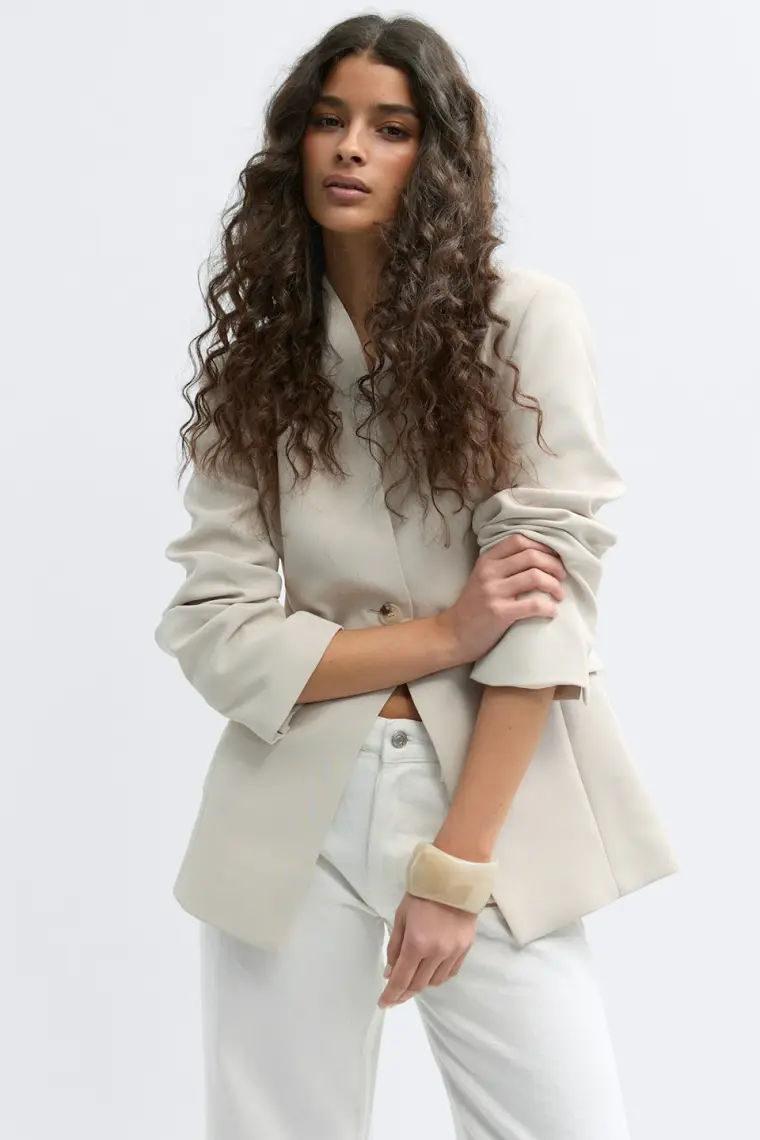
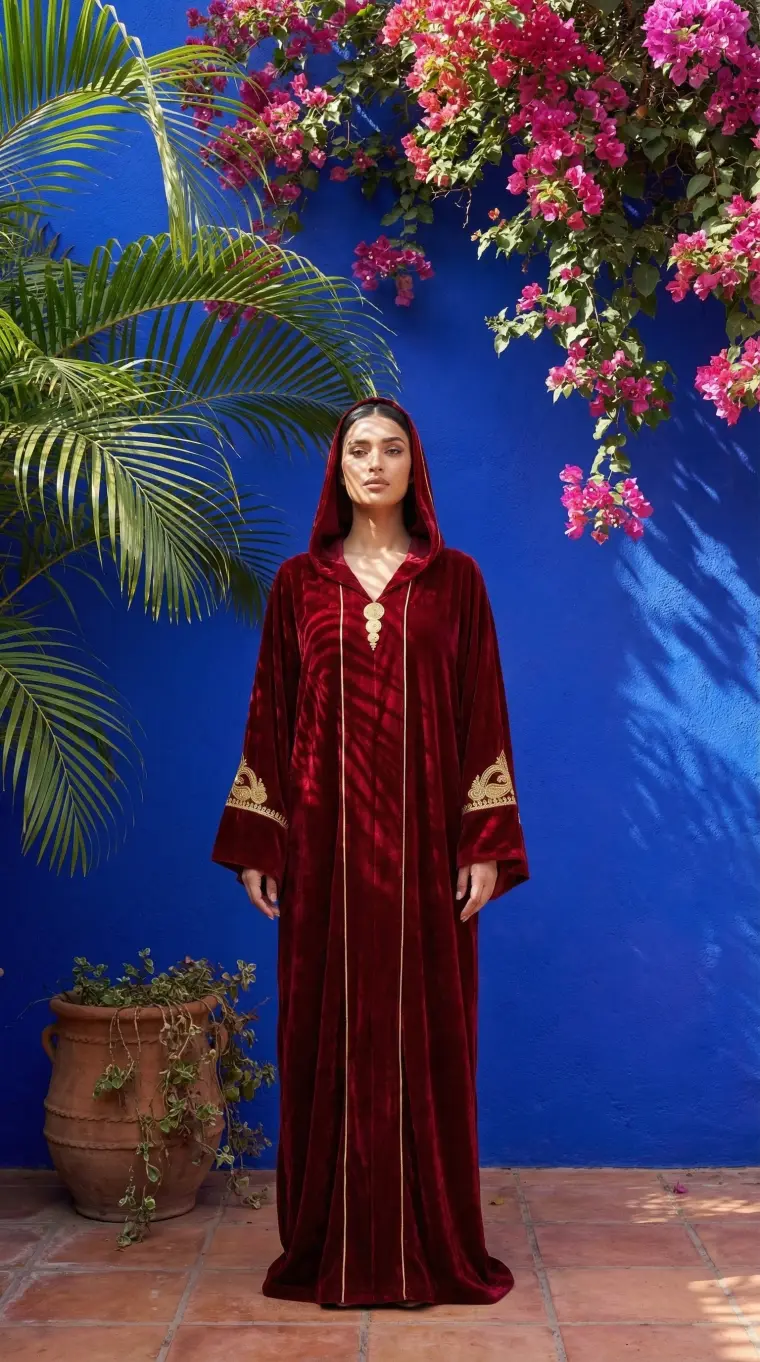
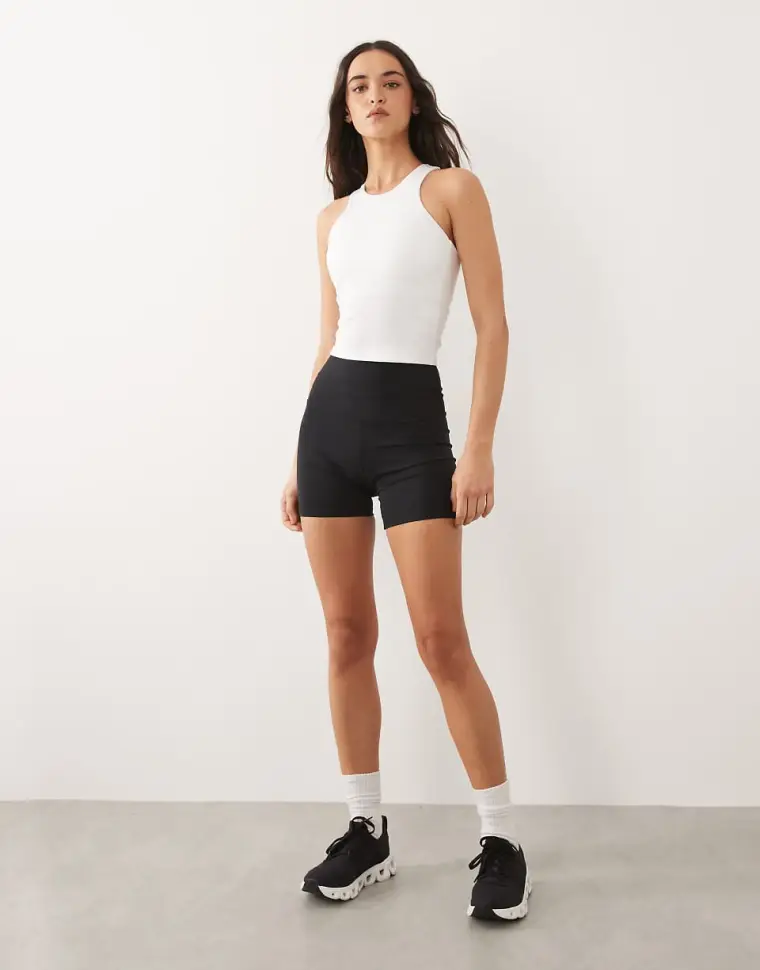
Morocco is relaxed in big cities and on the coast, and more conservative in small towns and the countryside. Clothing that covers shoulders and knees is respectful everywhere and, more practically, it is what keeps you cool: loose, light, long layers protect from the sun far better than a tank top.
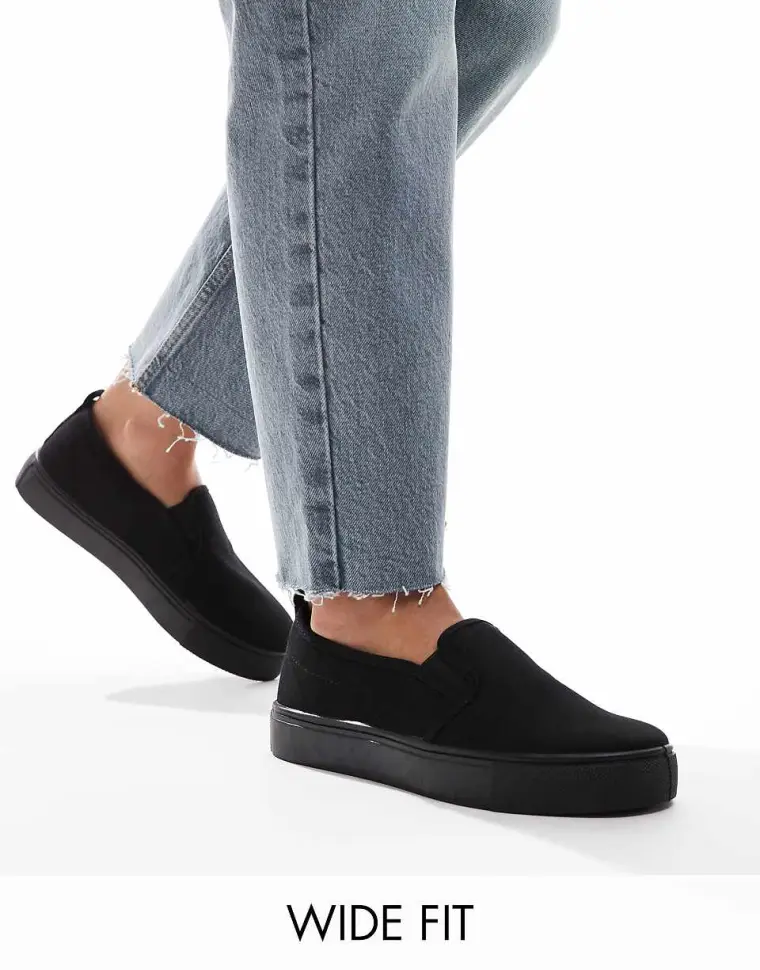
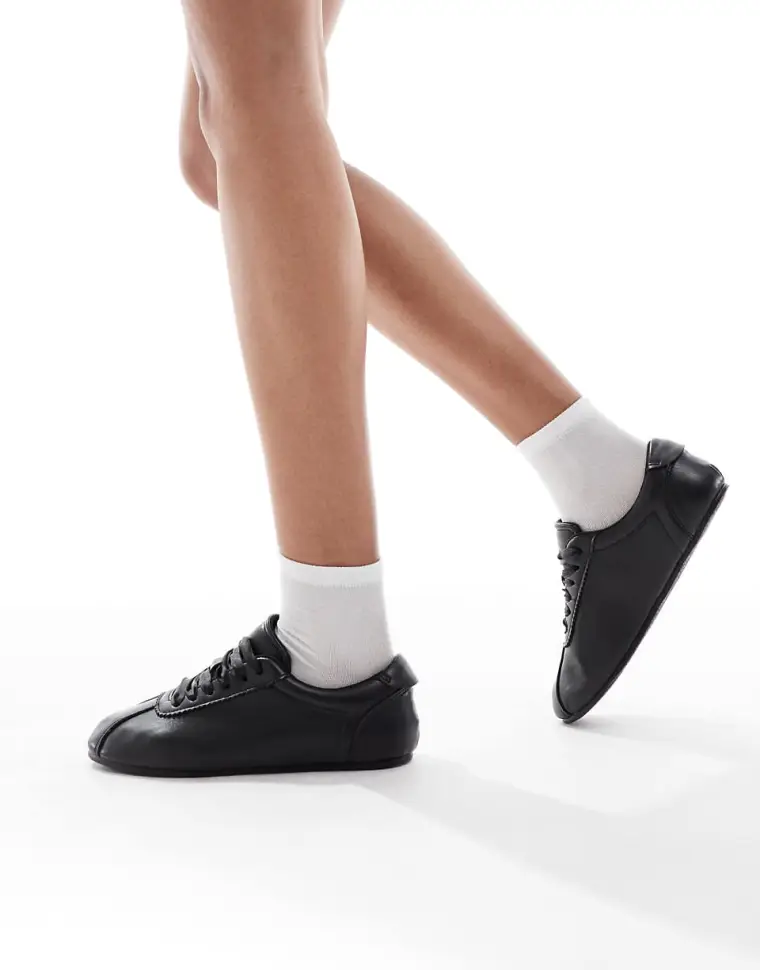
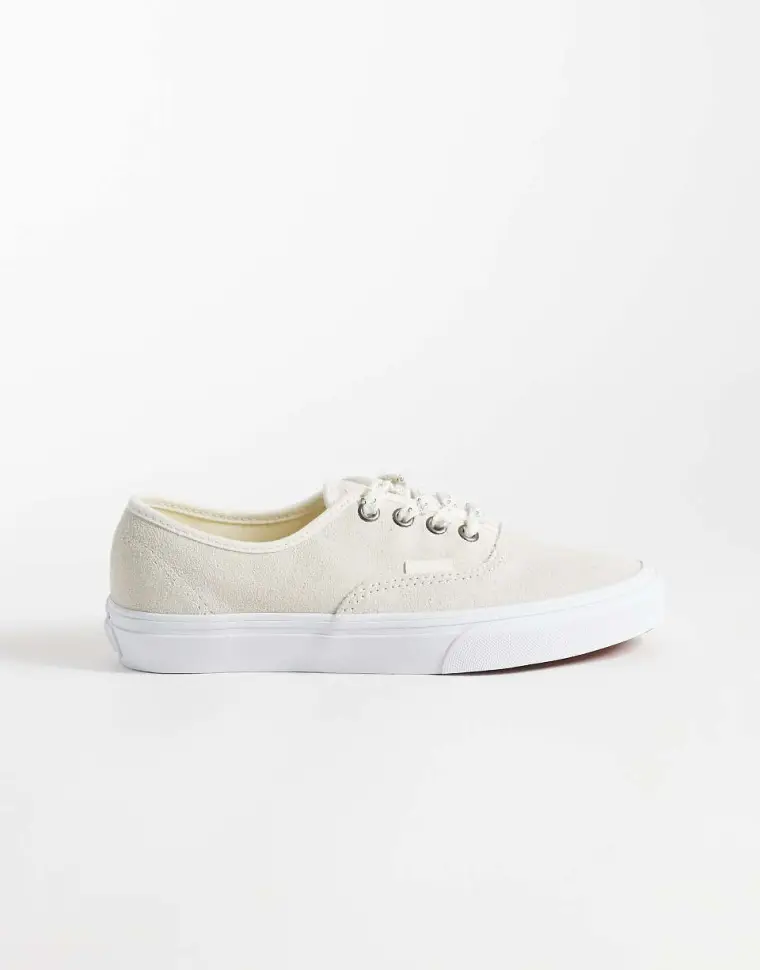
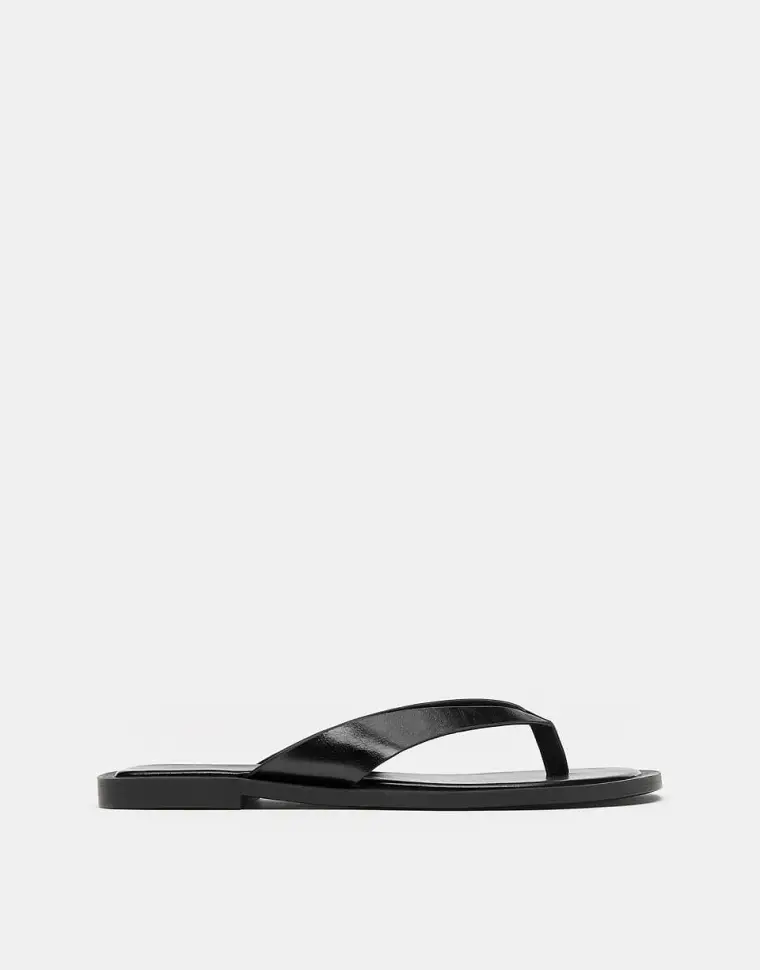
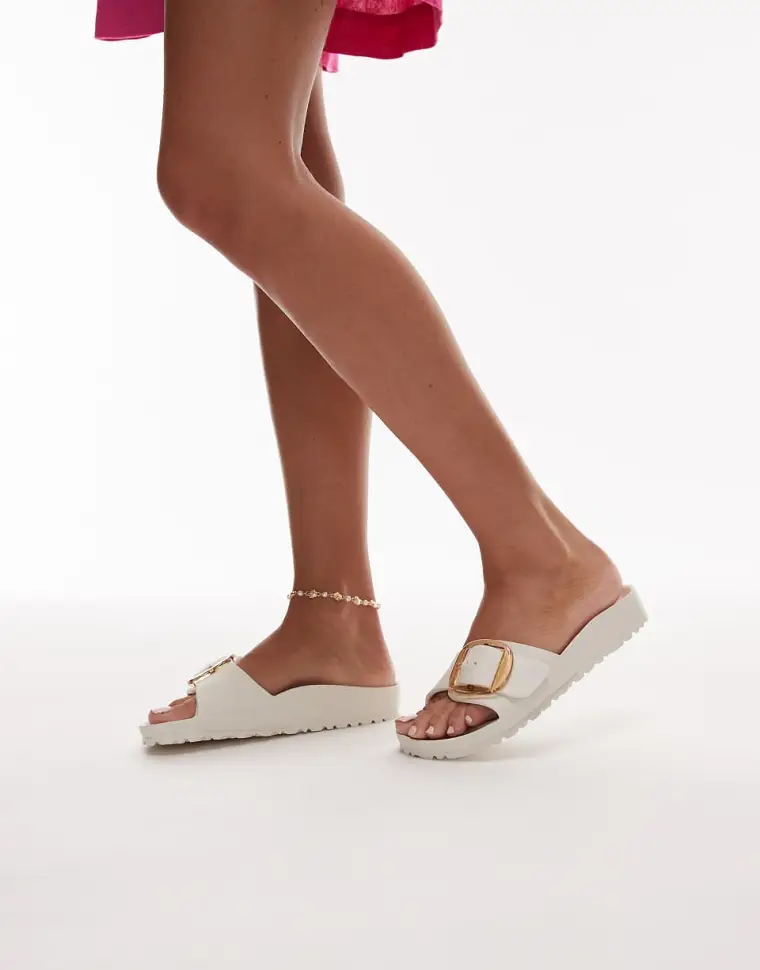
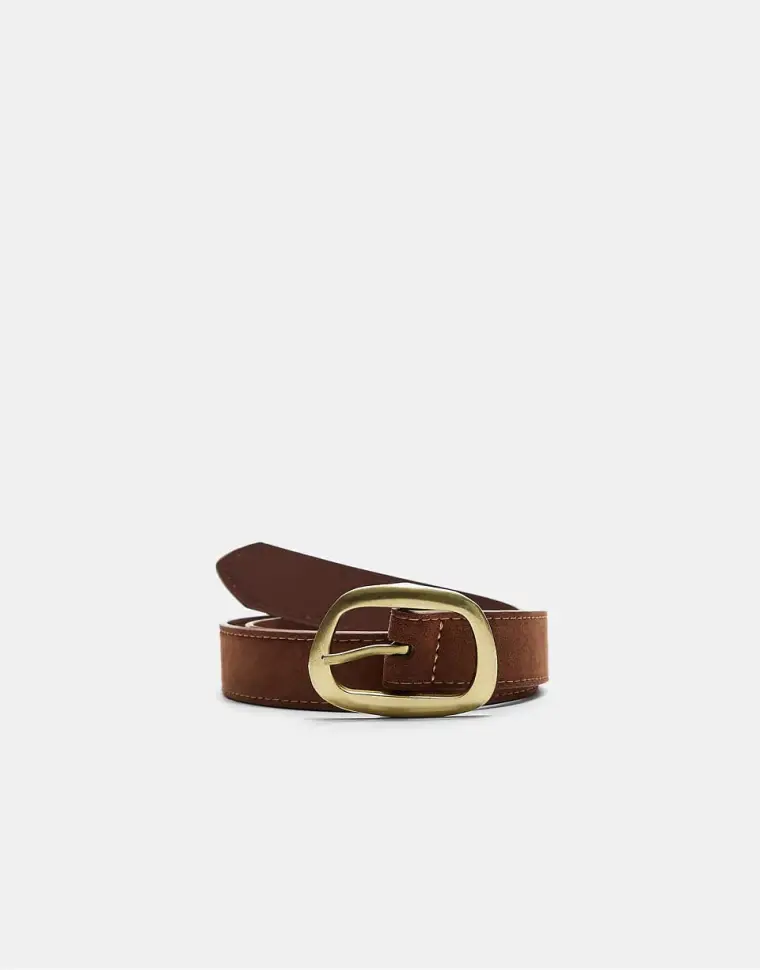
The essentials. Two or three loose linen or cotton shirts, light trousers or a long skirt, a large scarf (shoulders in a medina, head and face against the sand in the desert, a blanket on a night bus), comfortable closed shoes for medina cobbles and one pair of sandals. Add a warm layer — a fleece or a knit — even in summer: desert and mountain nights drop fast.
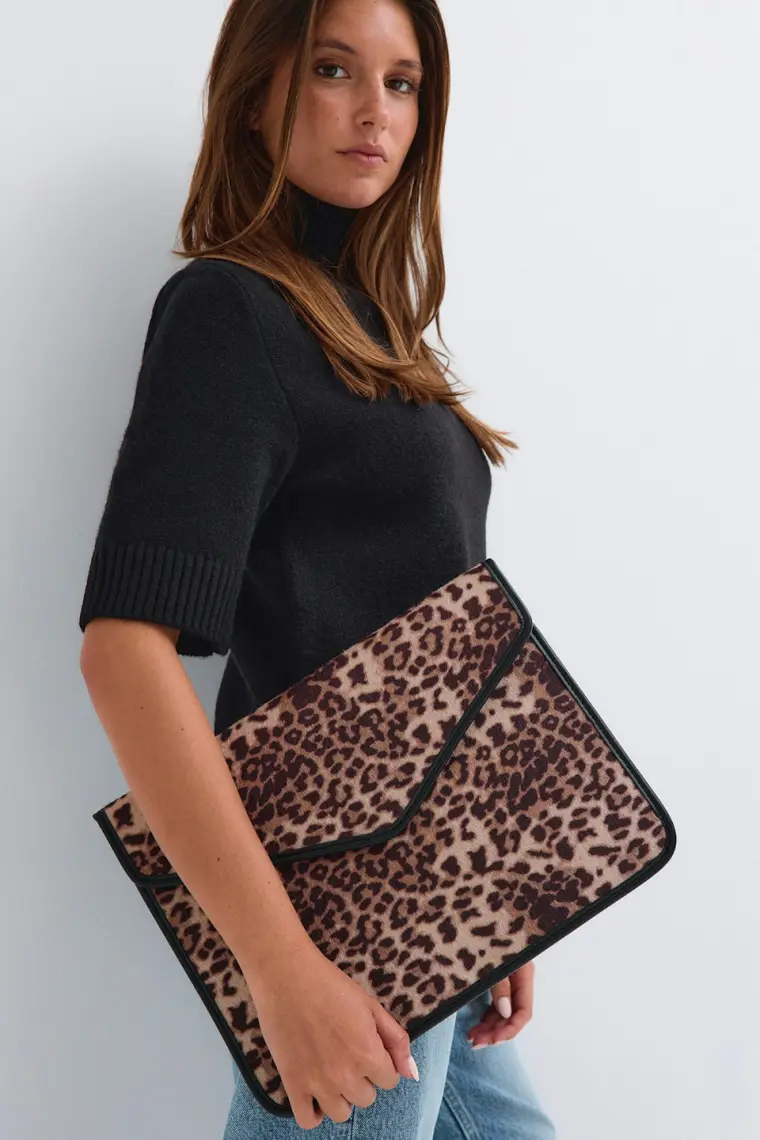
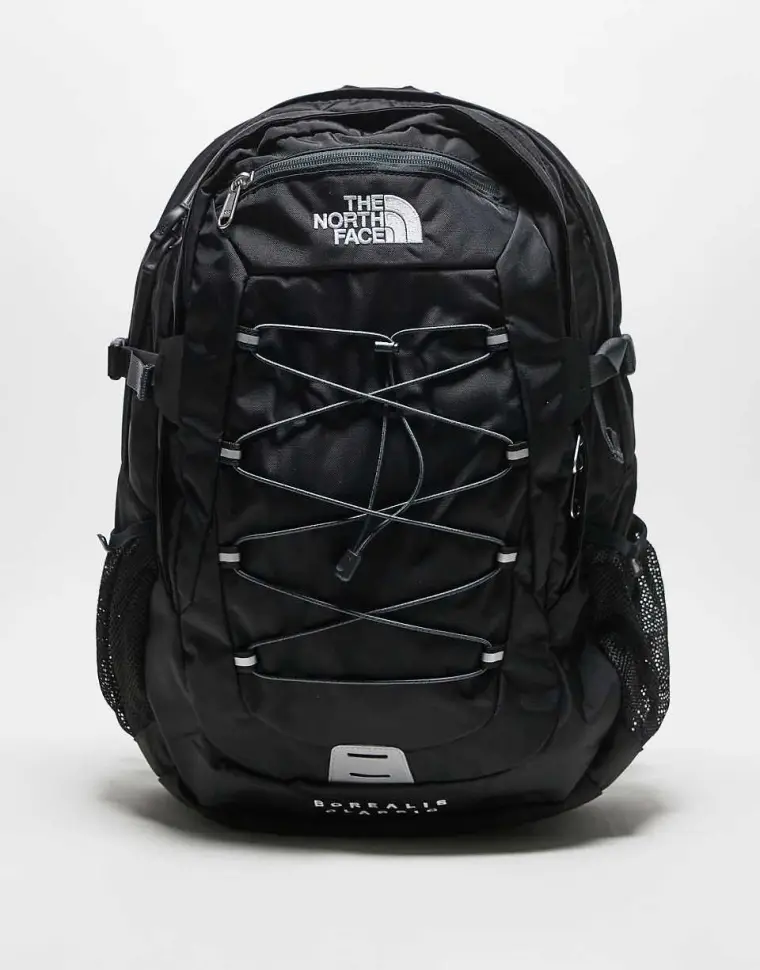
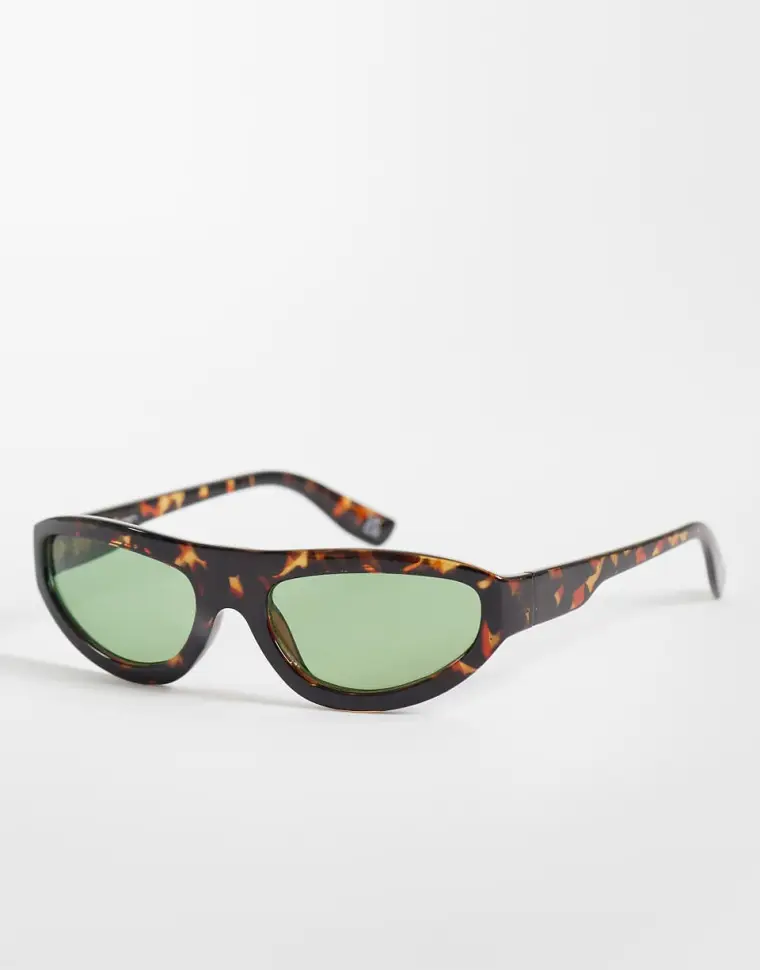
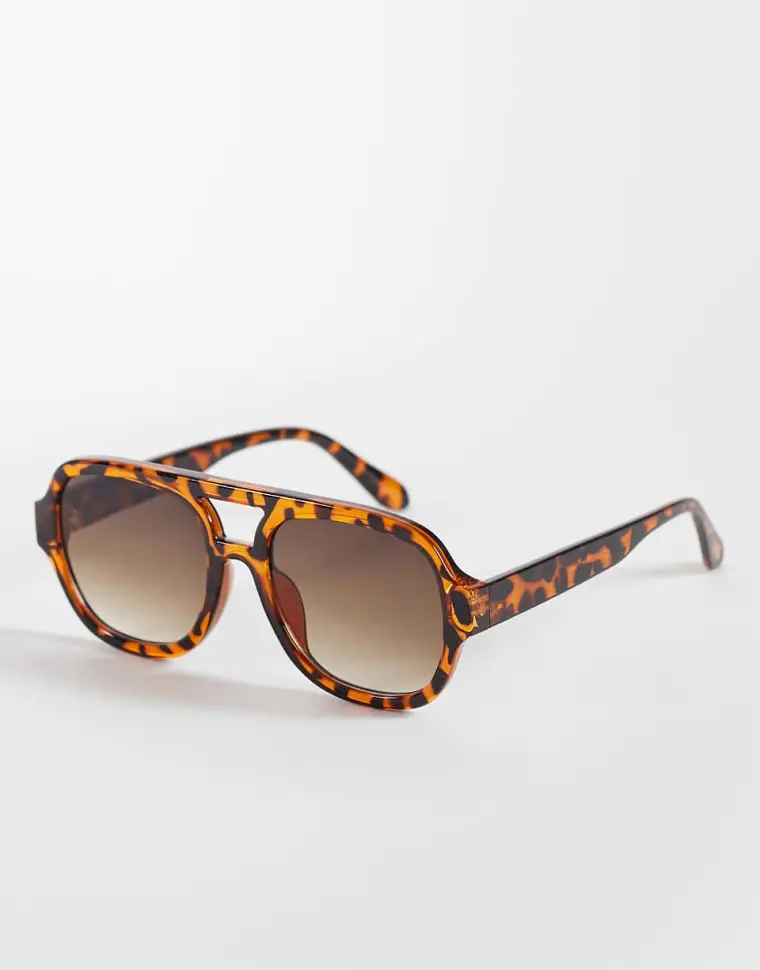
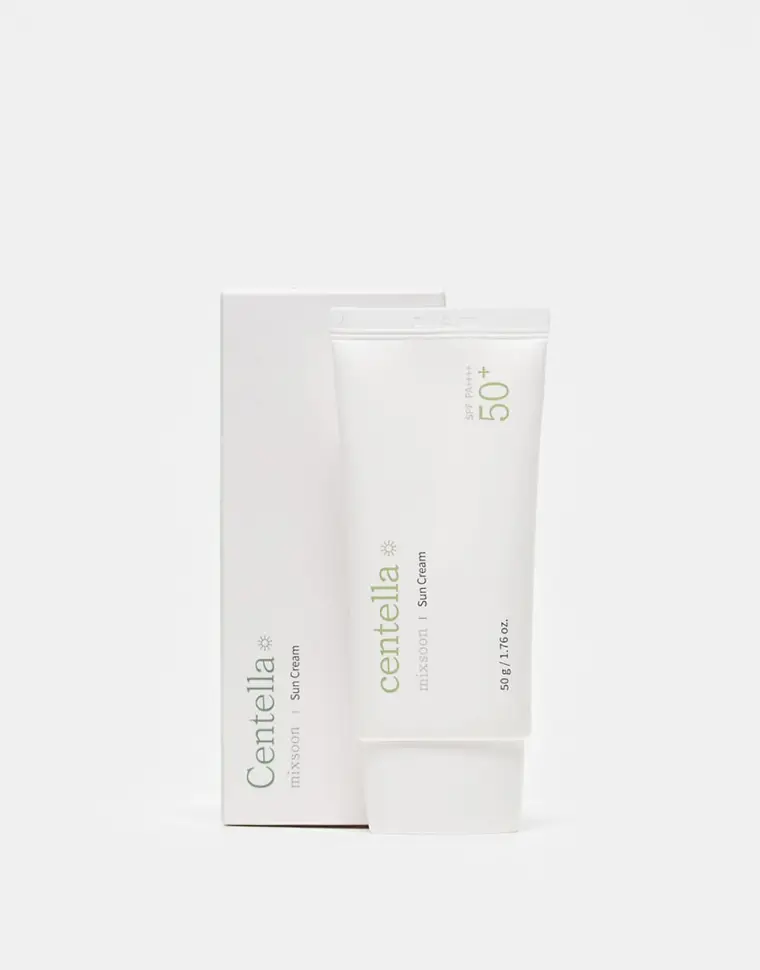
Little things that help. Sunglasses, a hat, sun cream, a refillable bottle with a filter, wet wipes, a headlamp for the camp, and a small padlock for hostel lockers. Pack light: medina alleys are narrow, often full of steps, and a backpack beats a suitcase every time.
Safety and common traps
Morocco is a safe country for travellers; the real nuisances are small. Fake guides attach themselves to you in medinas, often announcing that « the road is closed » or that a square is « this way ». Say a firm, polite « la, shukran » (no, thank you) and keep walking; use the offline map on your phone. Ask your hostel for an official guide if you want one.
Agree prices before any service — henna, a photo with an animal, a taxi without a meter. Drink bottled or filtered water. Drones are not allowed in without authorisation and are seized at customs, so leave yours at home. Women travelling alone may face insistent comments in some places; dressing discreetly, walking with purpose and ignoring them usually ends it, and hostels are a good place to find travel partners for the desert or the mountains.
A few words that open doors
Moroccans speak Darija (Moroccan Arabic), Tamazight in many regions, and French almost everywhere; English is common among young people and in tourist areas. A few words go a long way: salam (hello), shukran (thank you), la, shukran (no, thank you), bshhal? (how much?), wakha (OK). Accept the mint tea when you are offered it: it is rarely just a drink, it is the start of a conversation.
Respect the rhythm of the country — Friday couscous, the call to prayer, a slower pace in the afternoon heat — and Morocco gives back far more than it costs. Non-Muslims cannot enter most mosques, with one great exception: the Hassan II Mosque in Casablanca, open to visitors on guided tours.