

















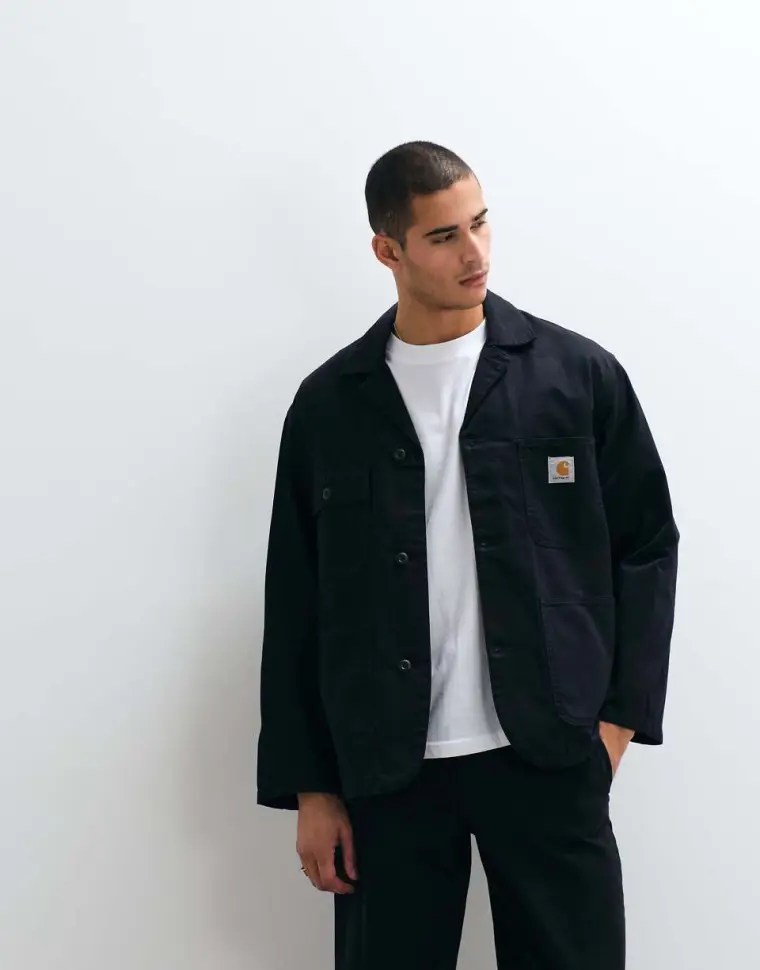

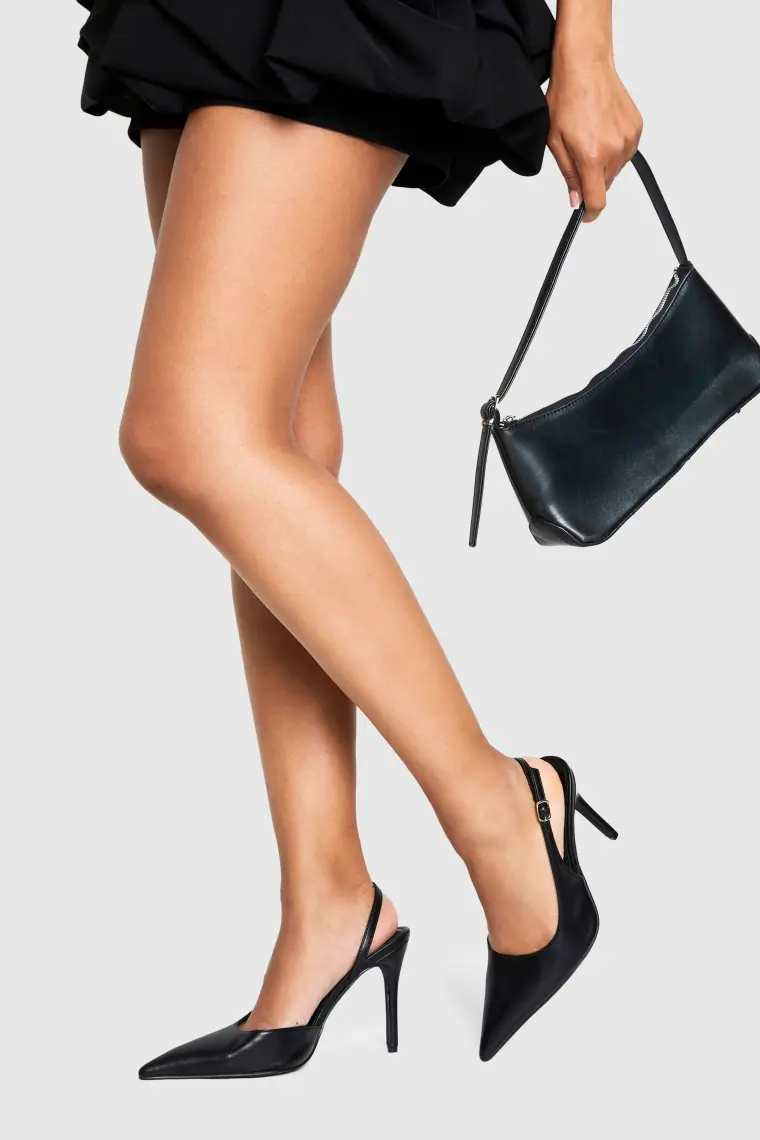
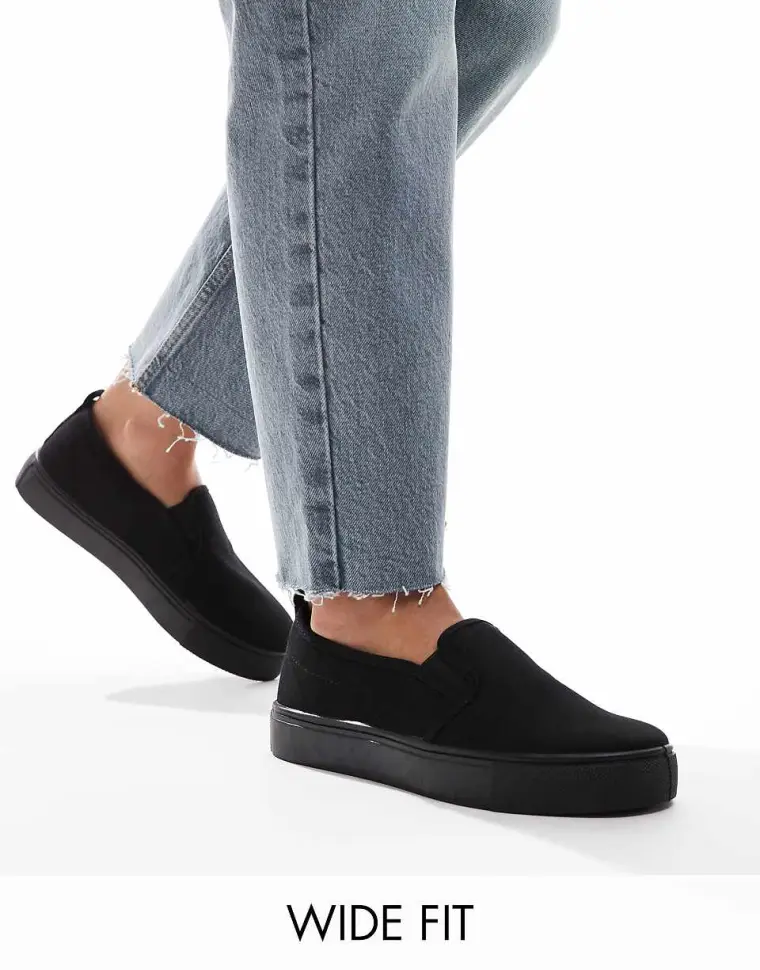
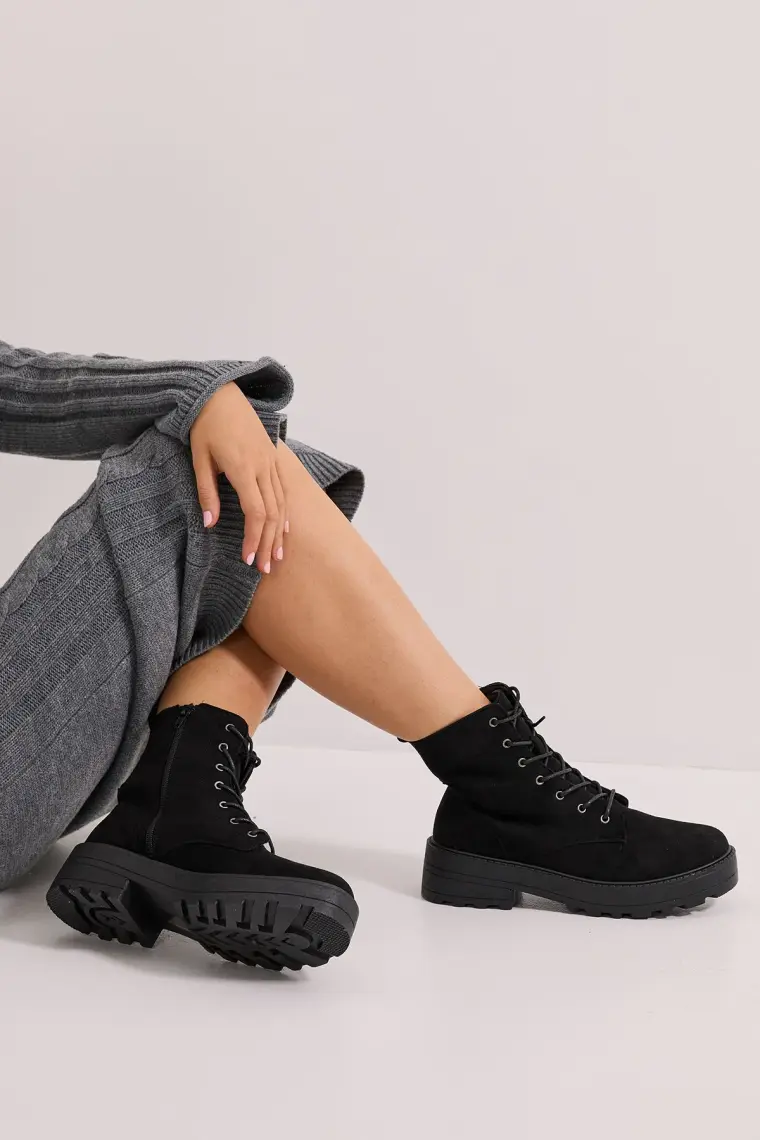



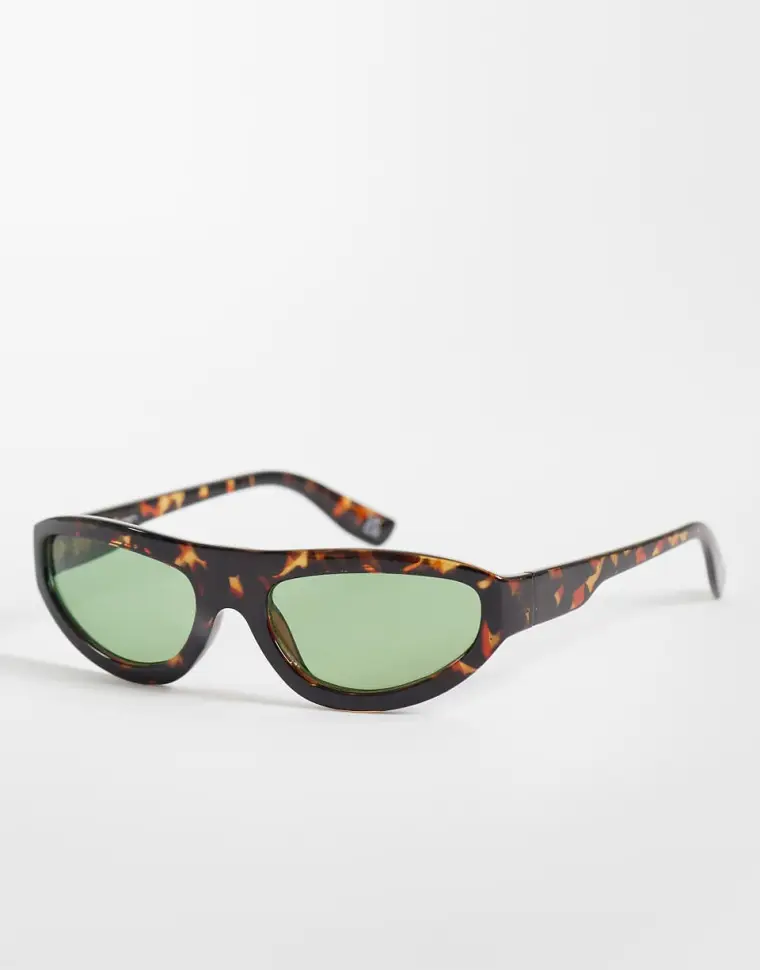
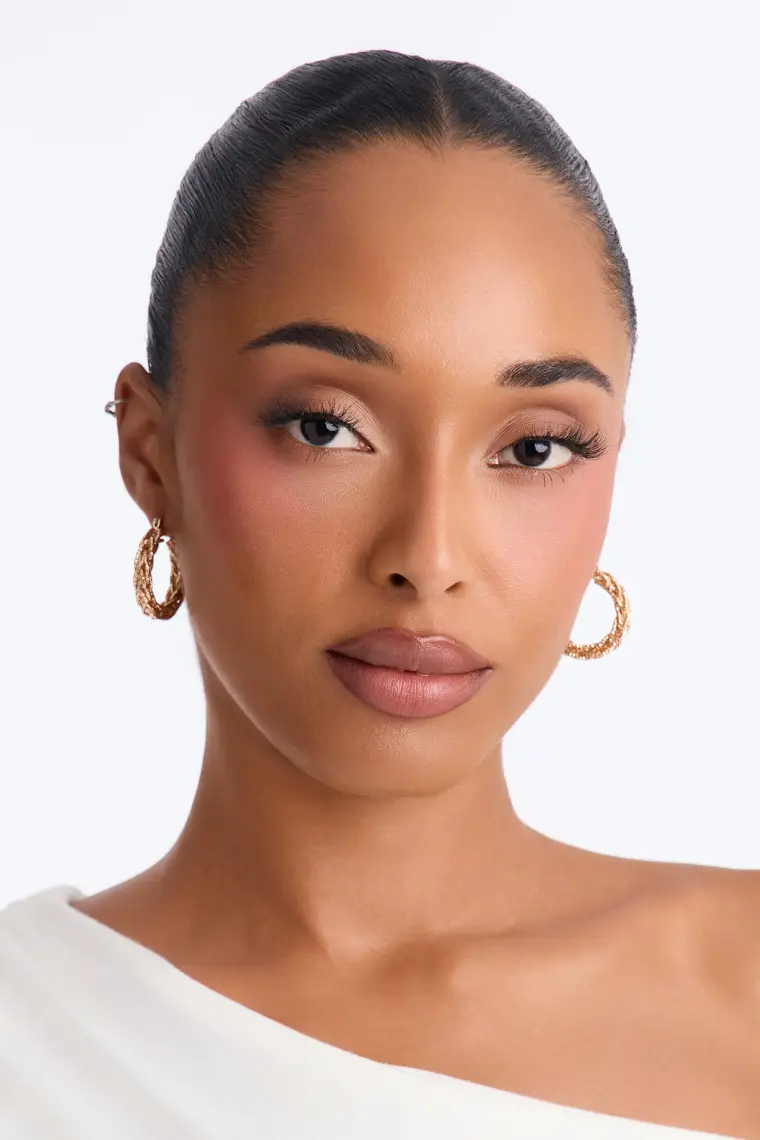
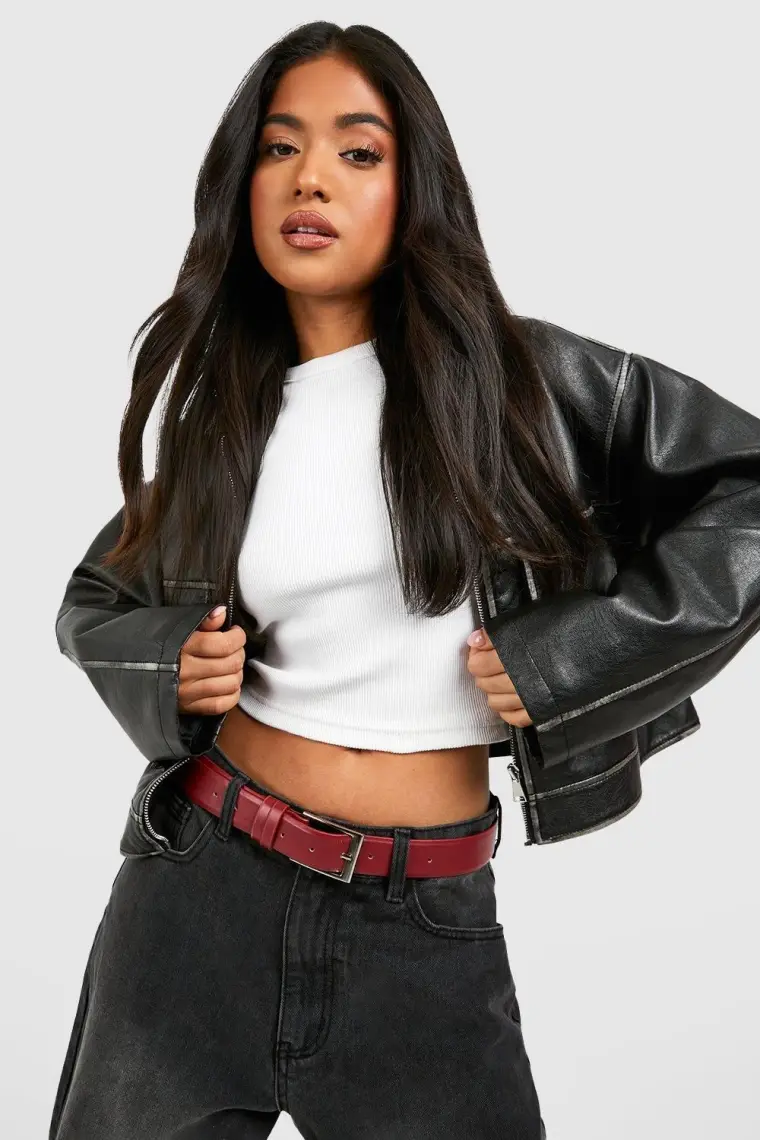
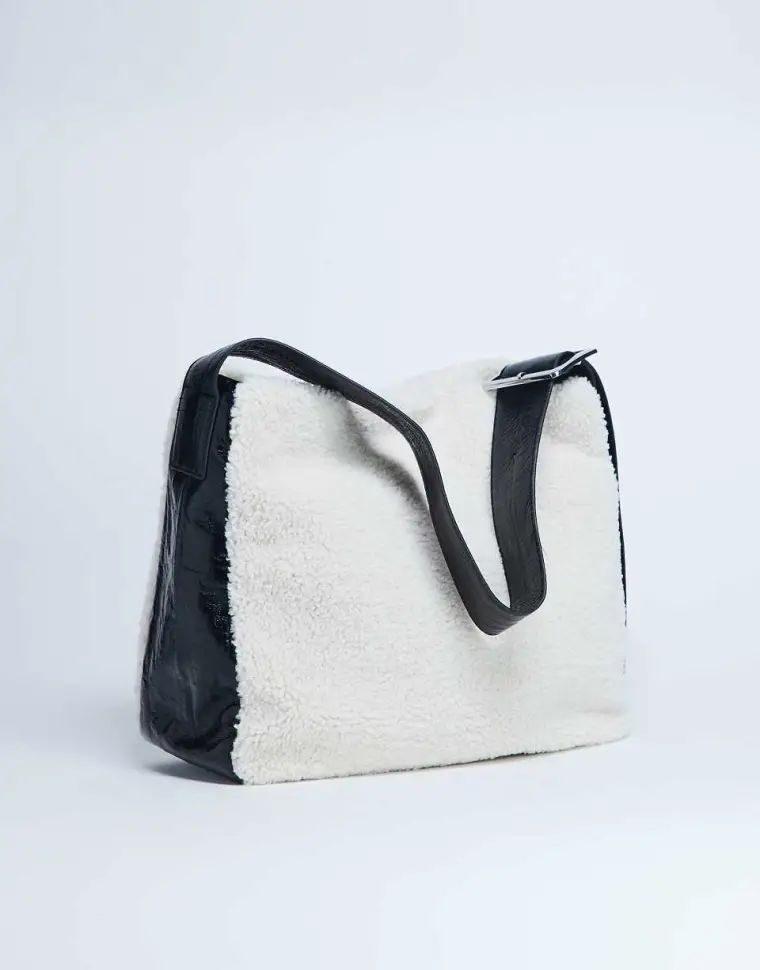










The 3-colour rule: how to match the colours of an outfit
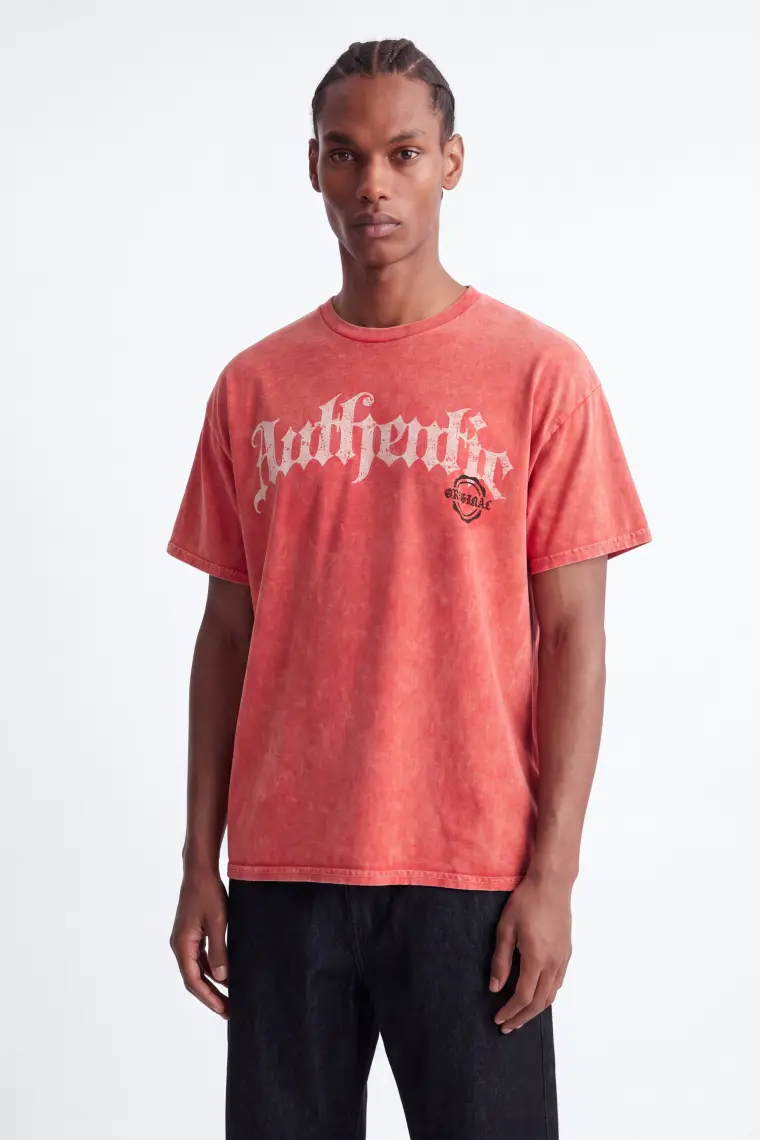
Everyone repeats that an outfit should never have more than three colours. The rule isn't wrong, but it's incomplete, and that is why it disappoints. Jeans, an ecru jumper, a beige trench, white trainers and a black bag make five colours, and yet the outfit is perfectly calm. On the other hand, green trousers, an orange top and purple shoes make only three, and nobody would call that a success. Here is the version that actually works, with outfits to copy.
Neutrals don't count
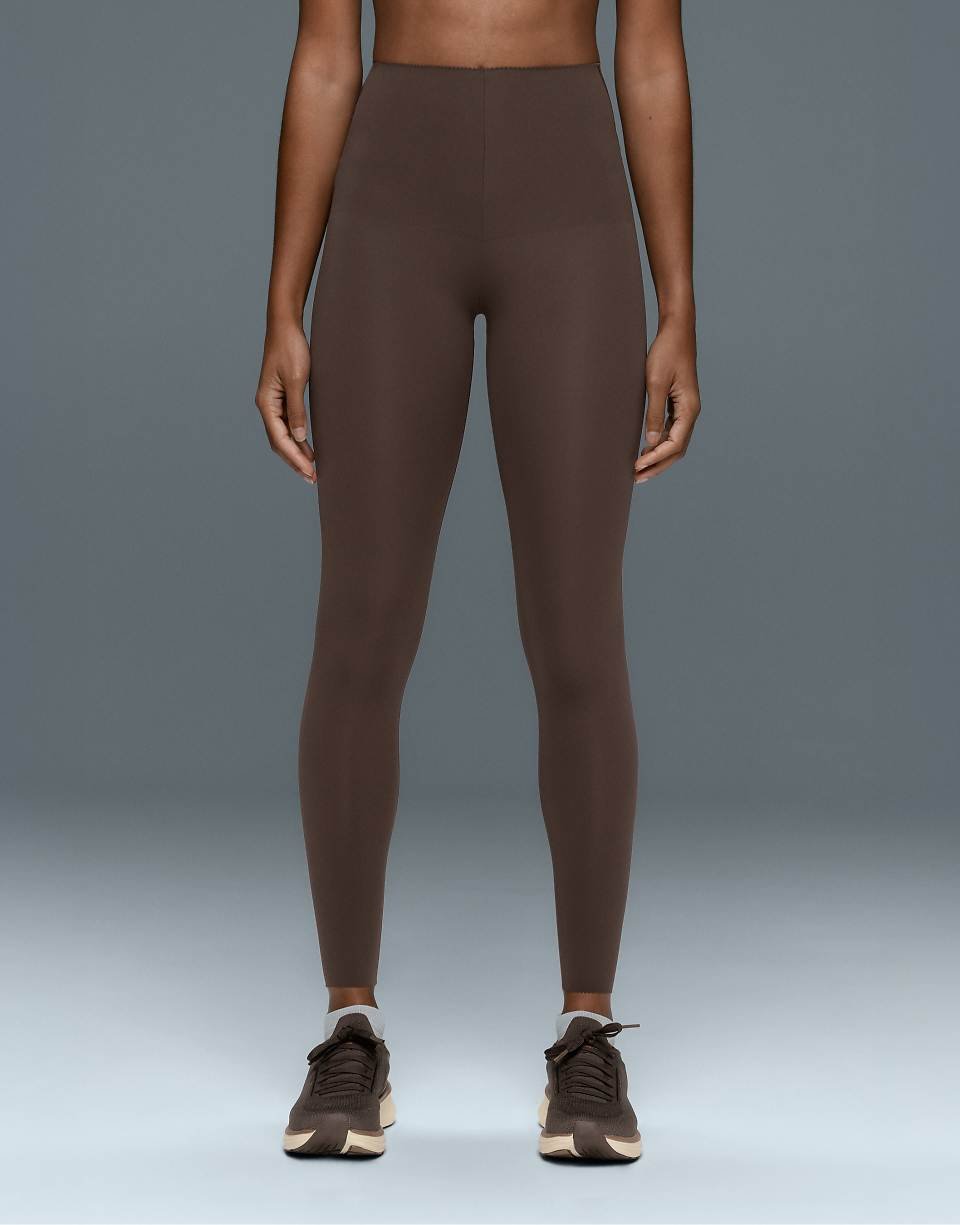
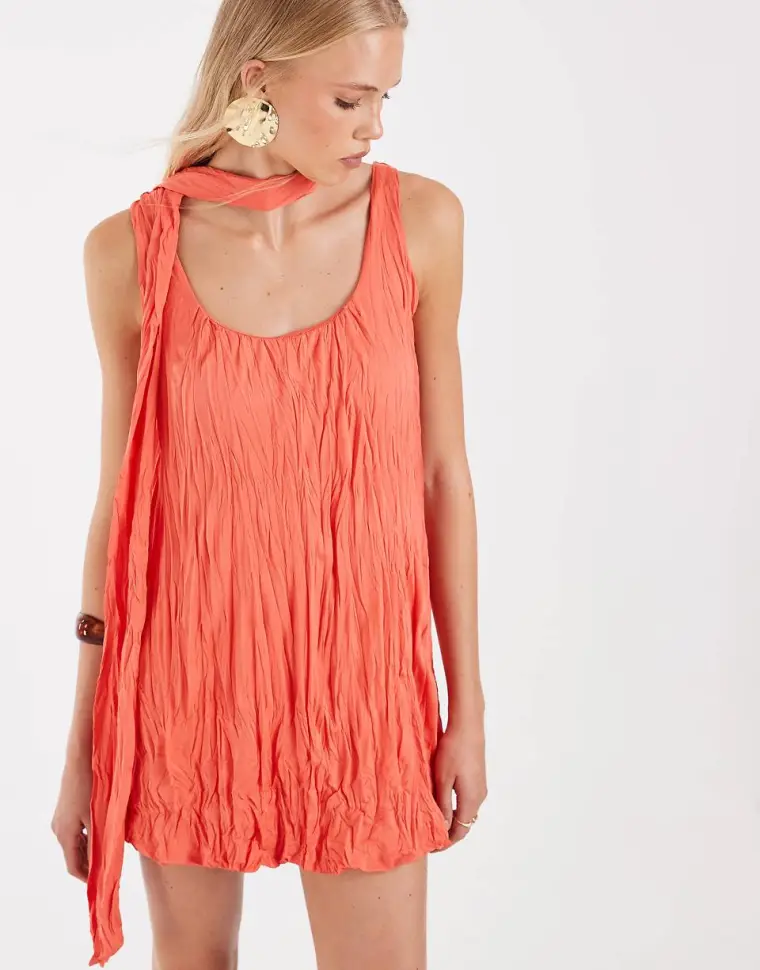
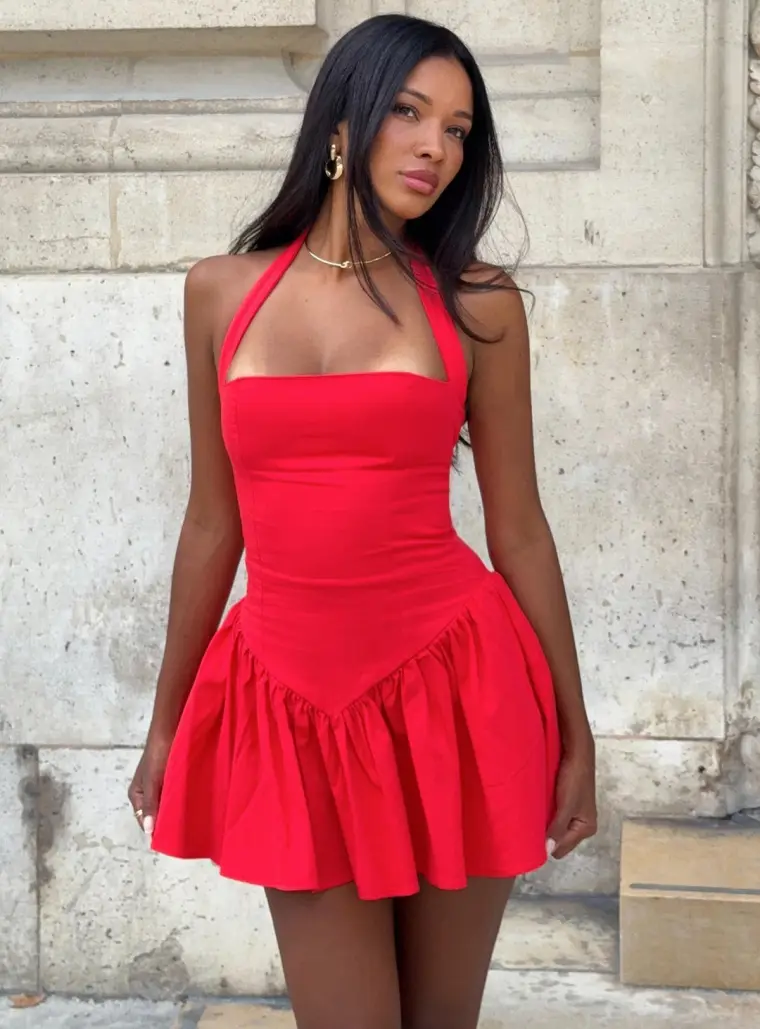
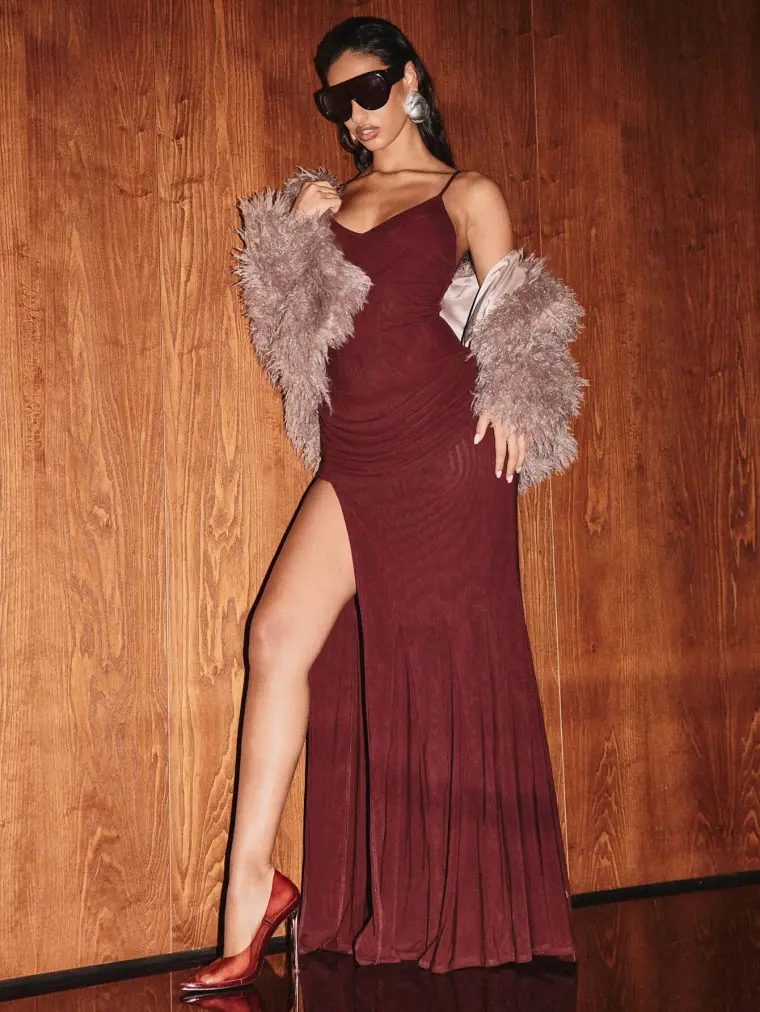
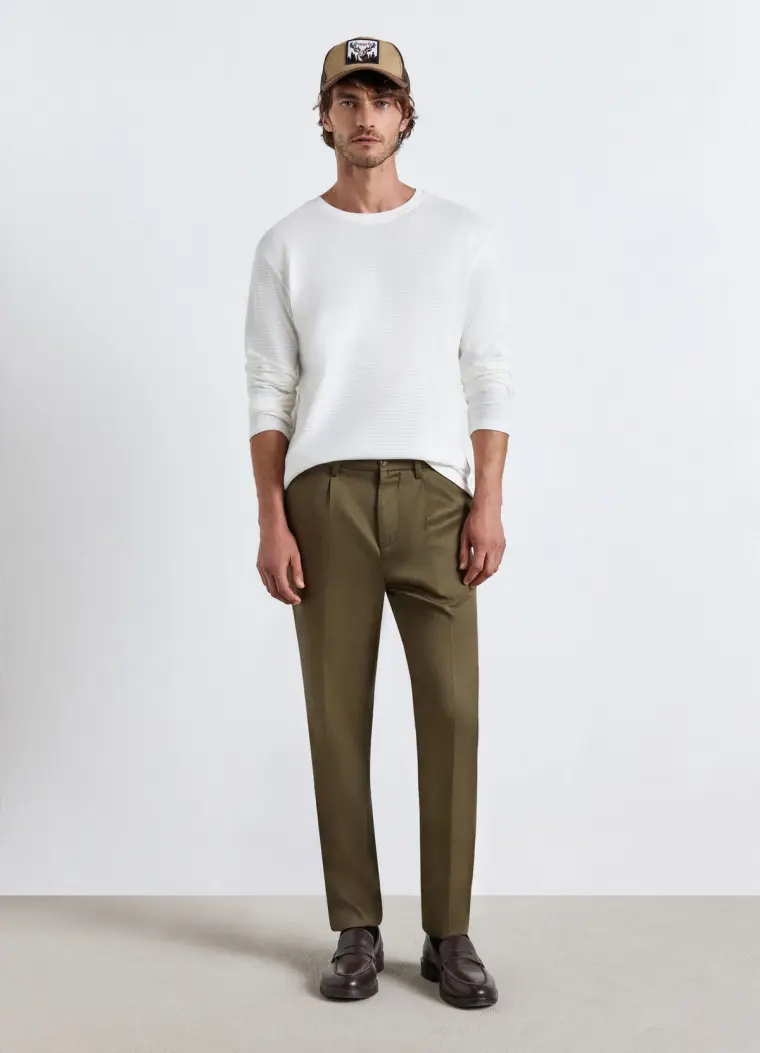
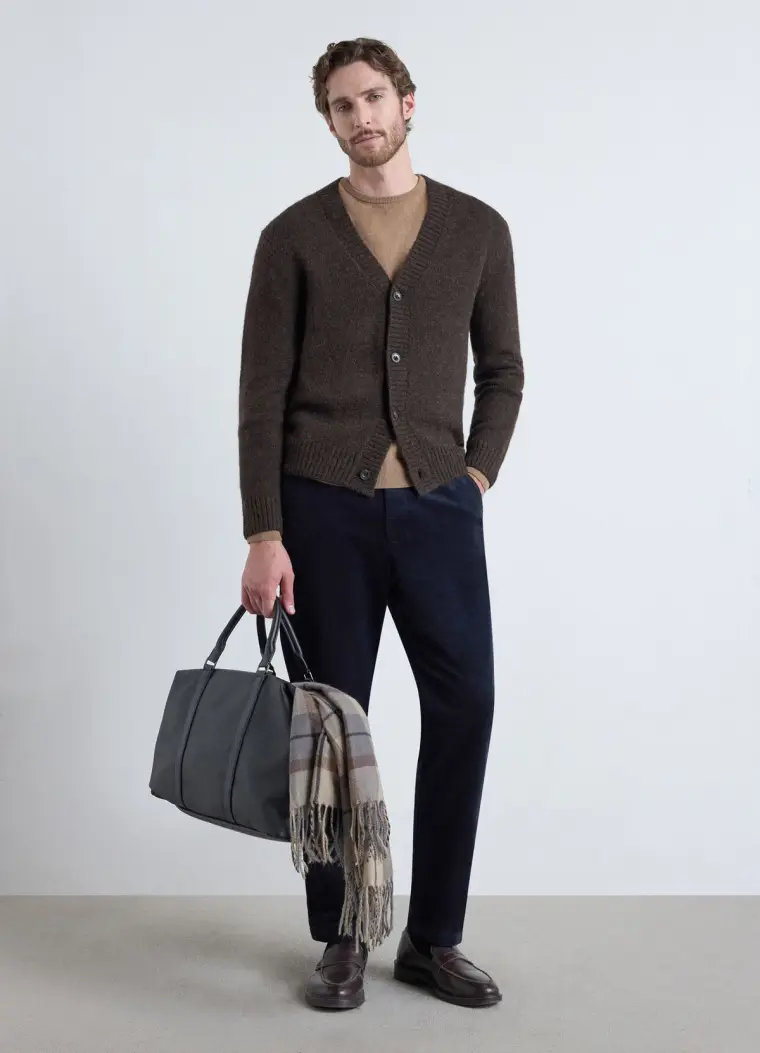
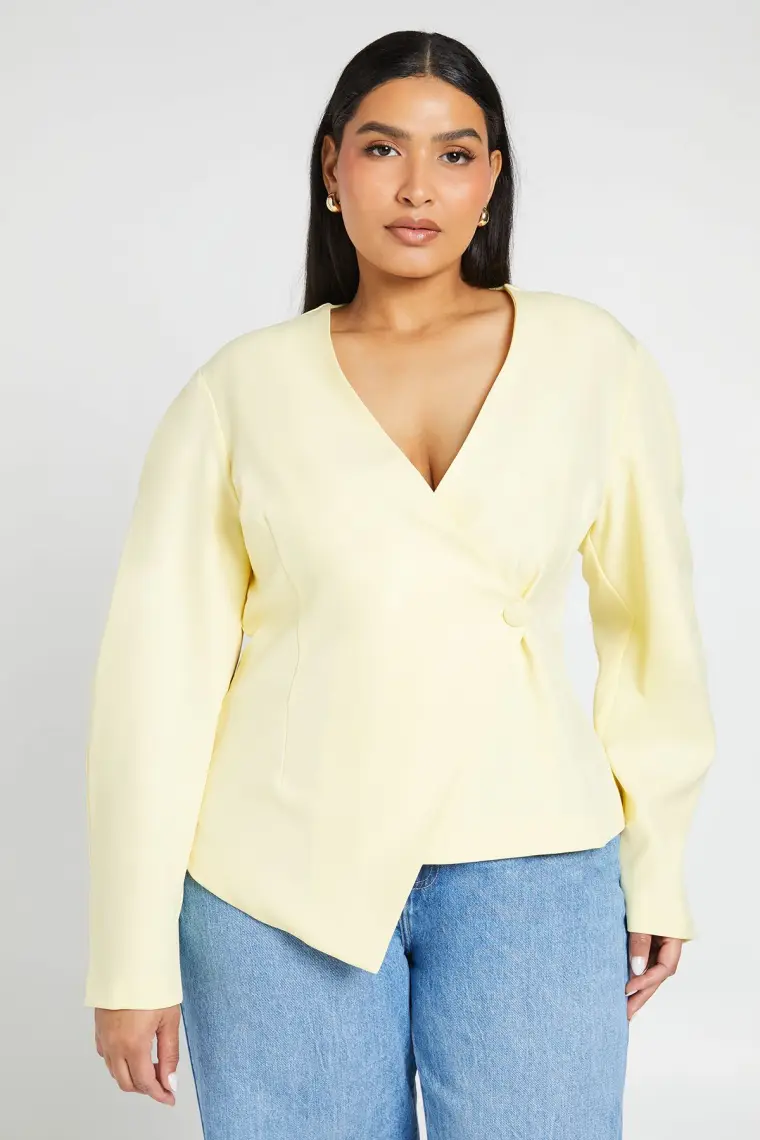
It all comes down to one distinction. On one side, the neutrals: black, white, ecru, grey, beige, camel, navy, khaki, brown, and the denim of your jeans. They go together in almost every combination and don't count towards the three colours. On the other, the strong colours: red, burgundy, bright green, yellow, orange, pink, royal blue, purple, gold.
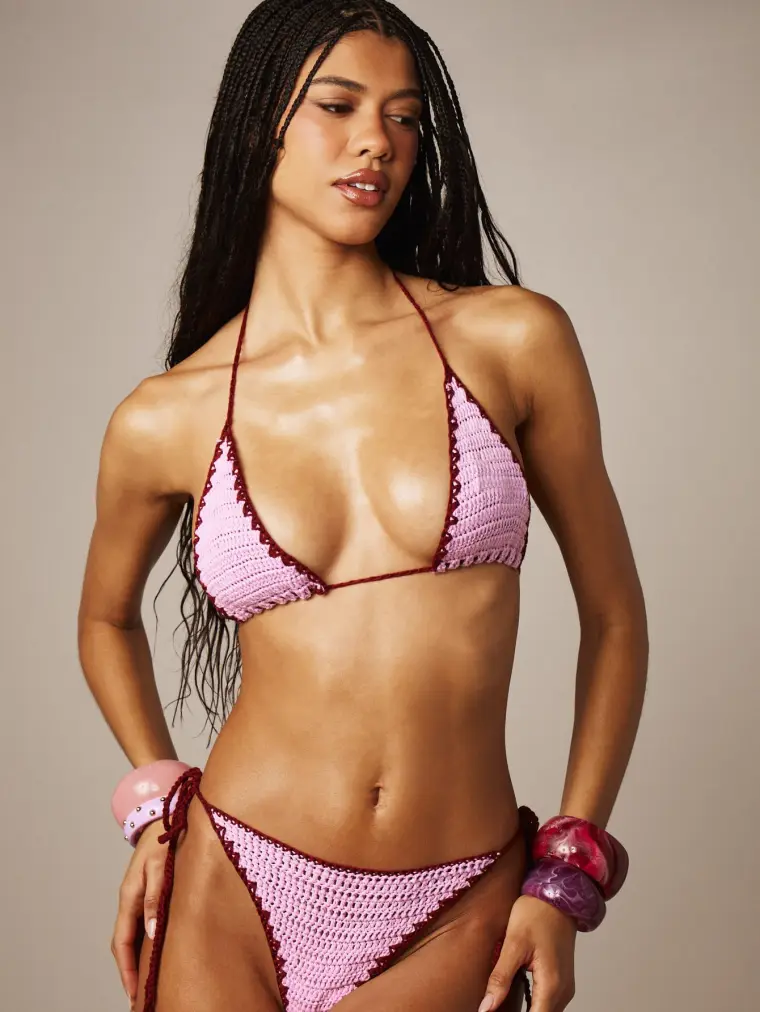
So the real rule is this: as many neutrals as you like, and two strong colours at most, ideally just one. An all-neutral outfit is always right. One strong colour brings it to life. Two already take a bit of an eye. Three is stylist territory.
60/30/10: where each colour goes
Knowing which colours to wear isn't enough; you also need to know how much of each. The simplest guide comes from interior design and works very well for clothes:
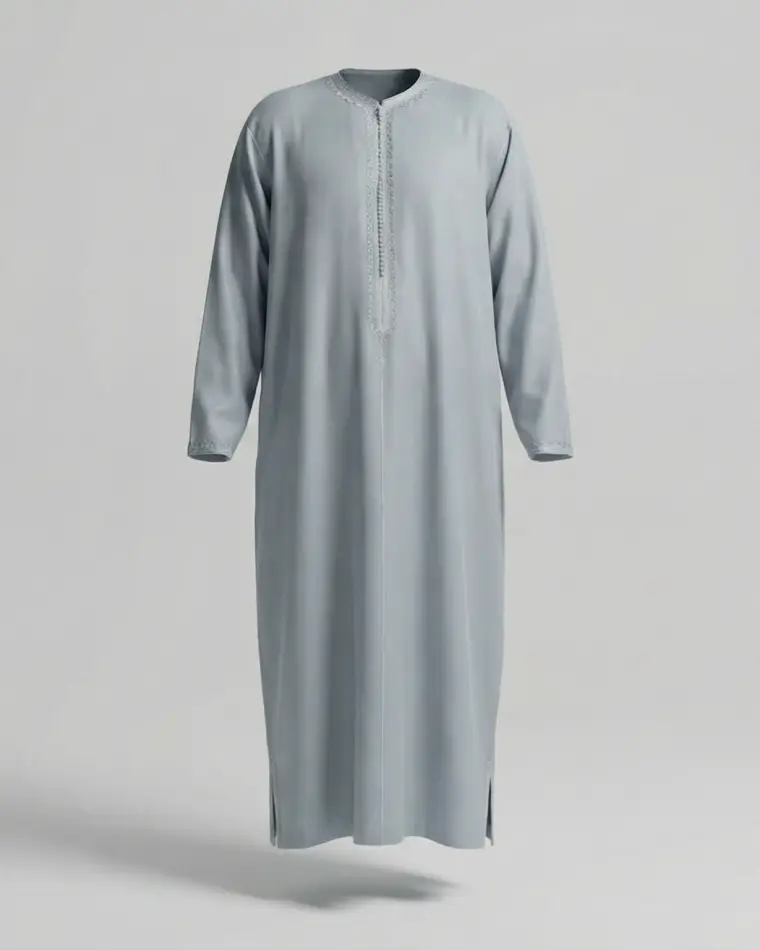
- 60% dominant colour, on the large surfaces: trousers, skirt, coat, jacket, djellaba. It is almost always a neutral.
- 30% secondary colour, on the top or the knit: jumper, shirt, blouse, cardigan.
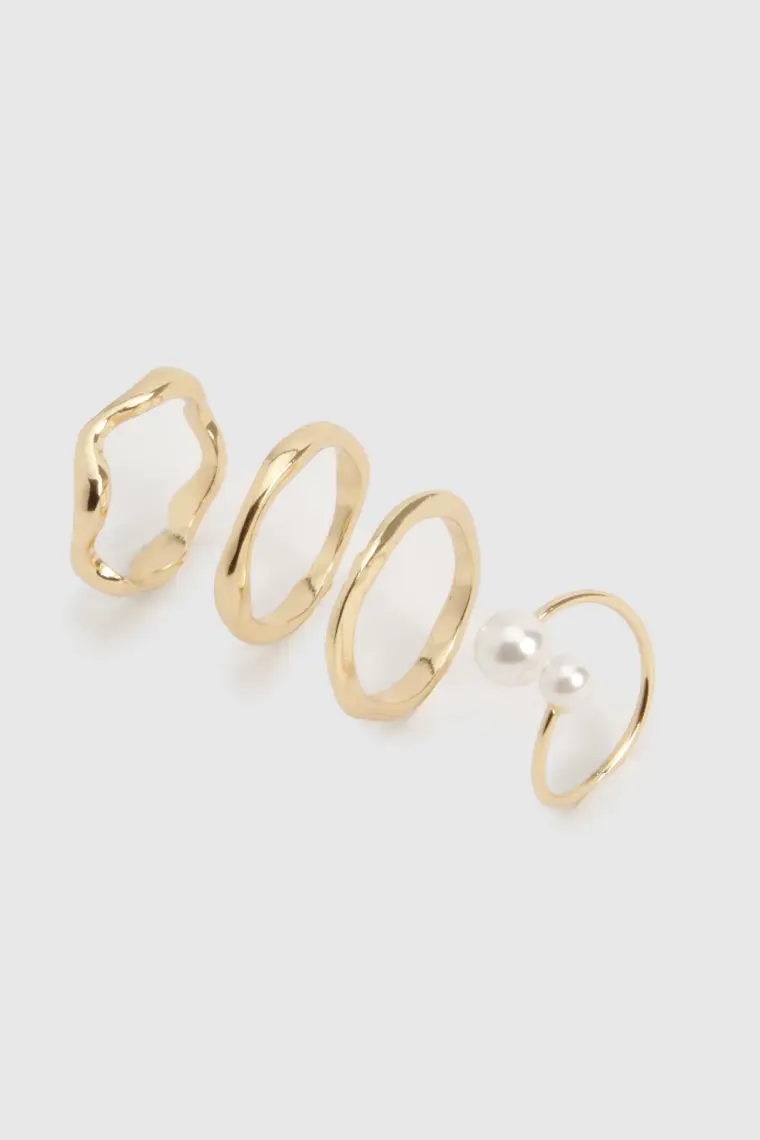
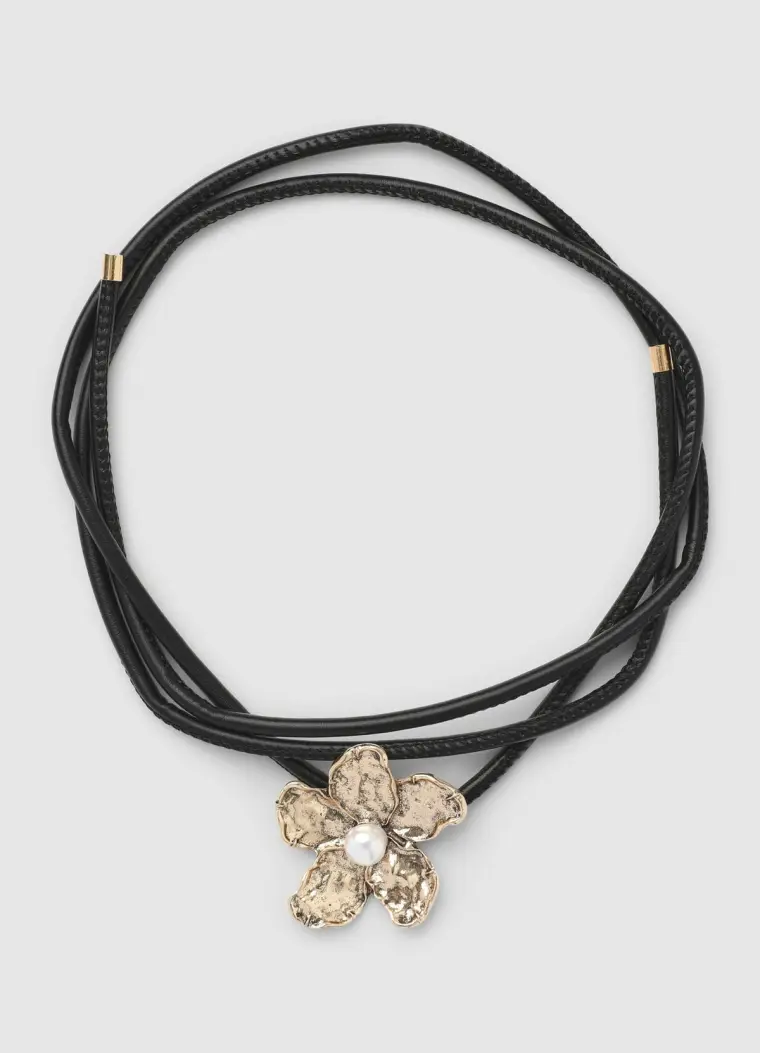
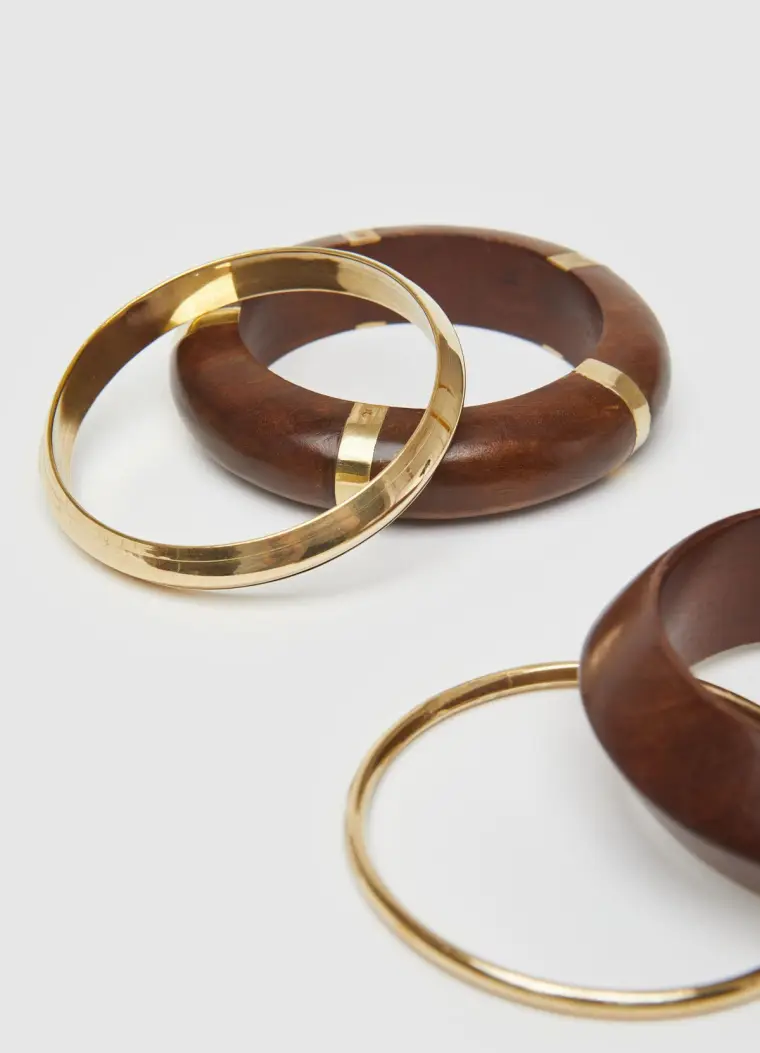
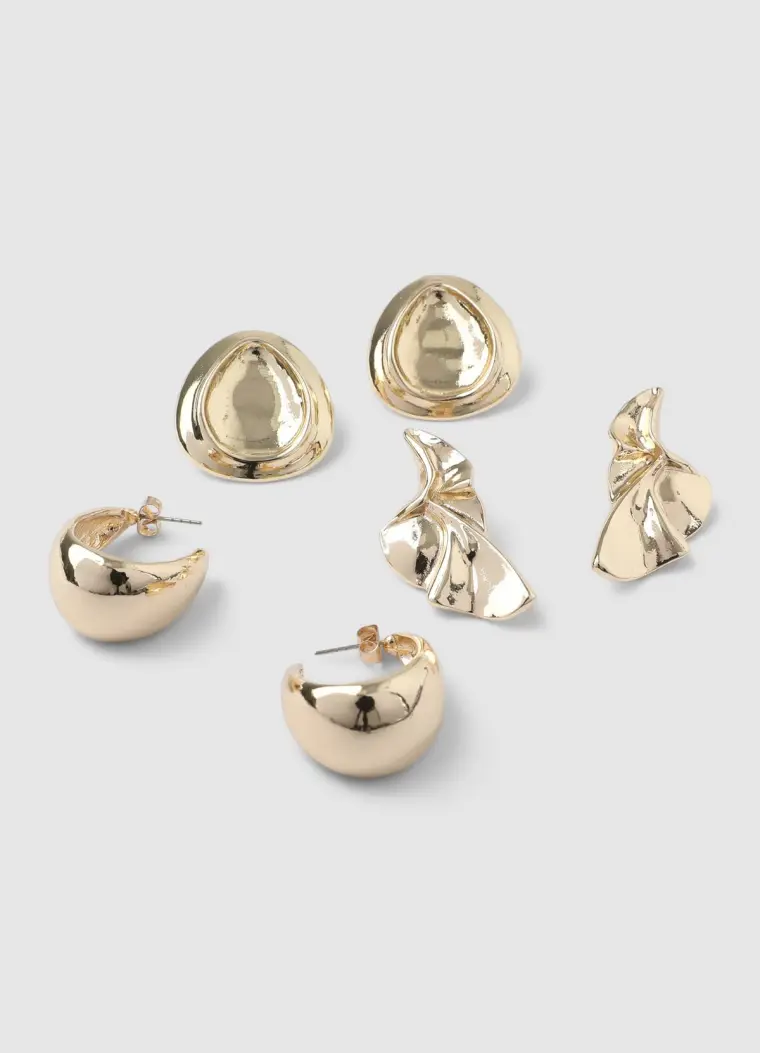
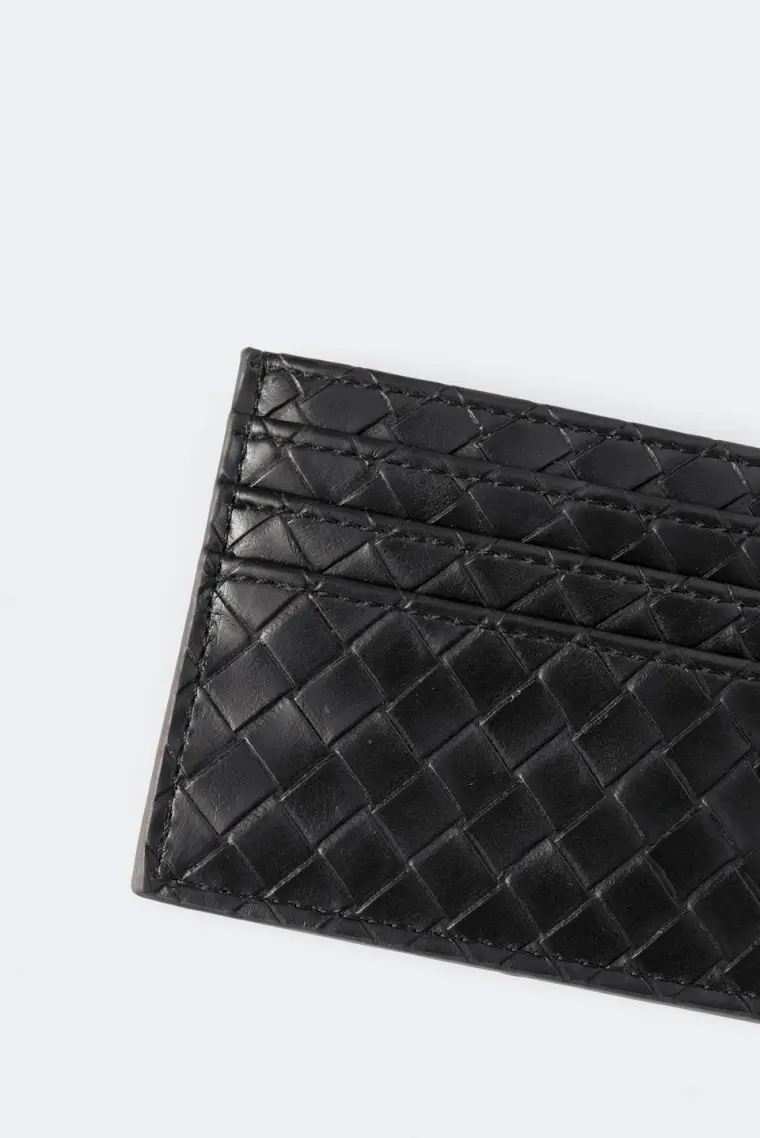
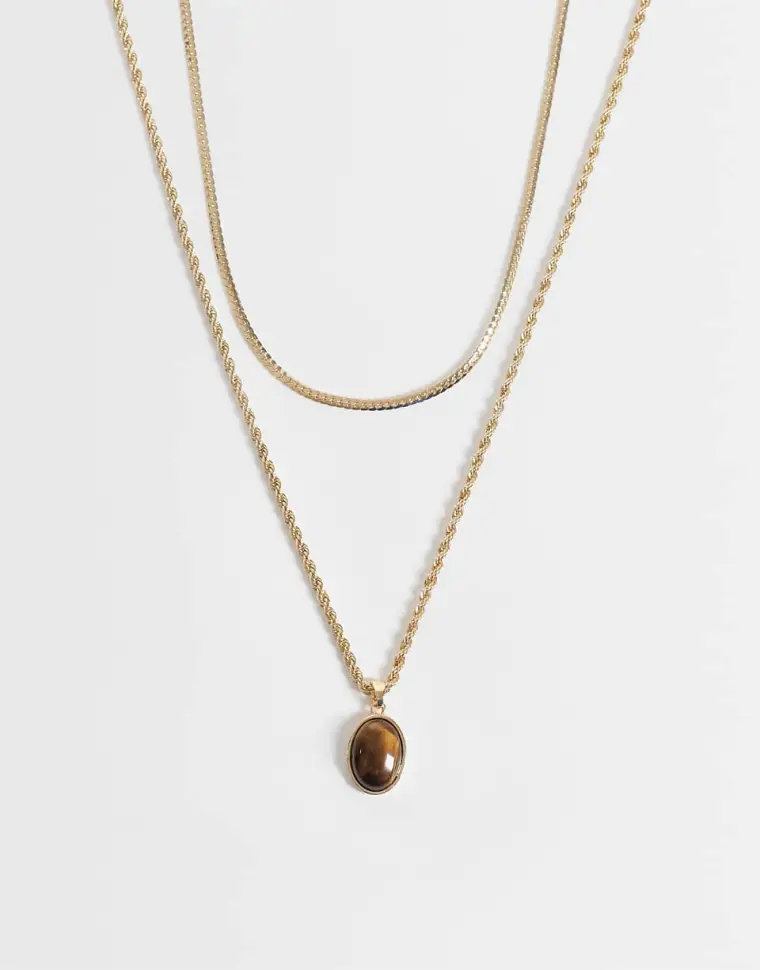
- 10% accent, on a small piece: shoes, bag, scarf, belt, jewellery.
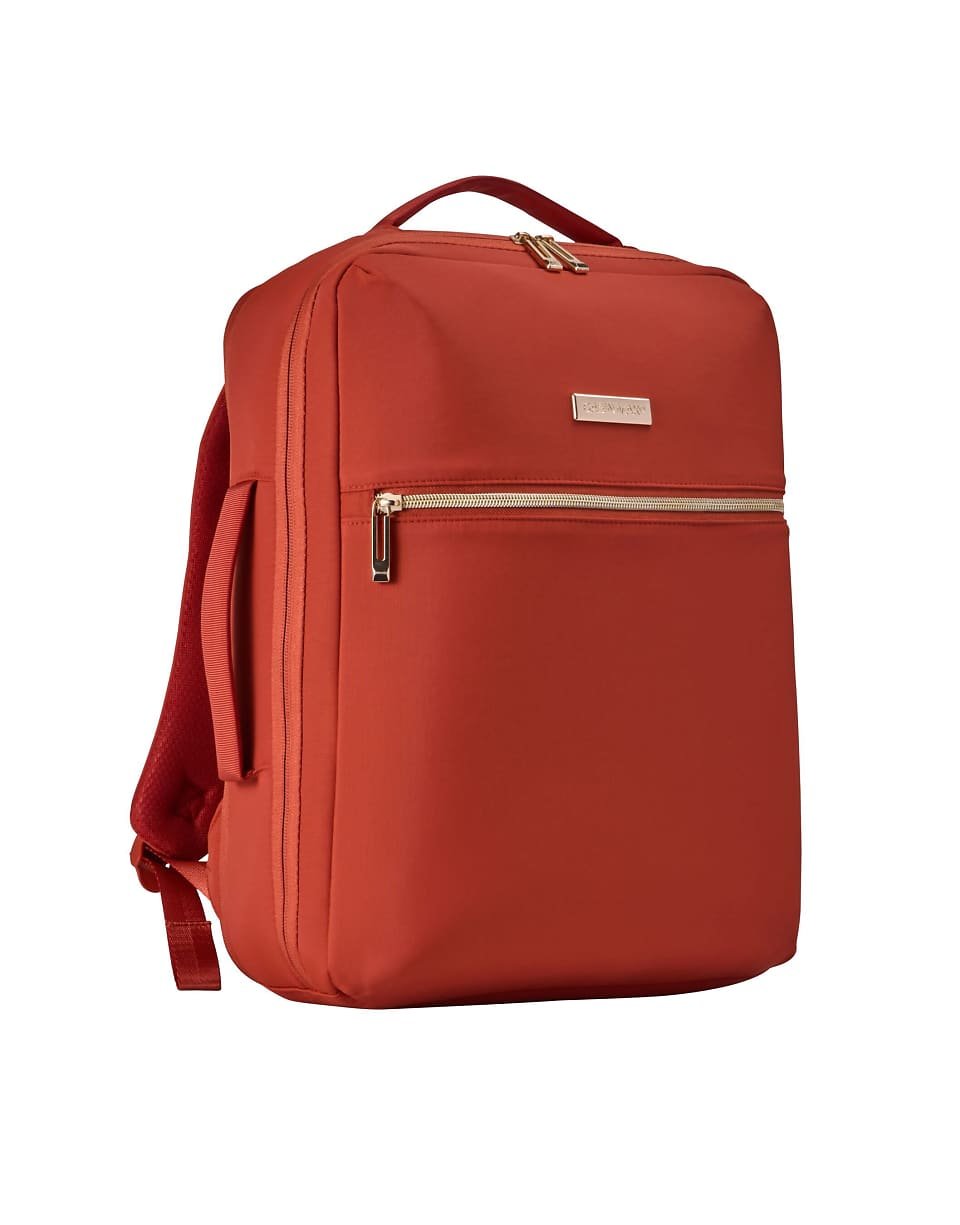
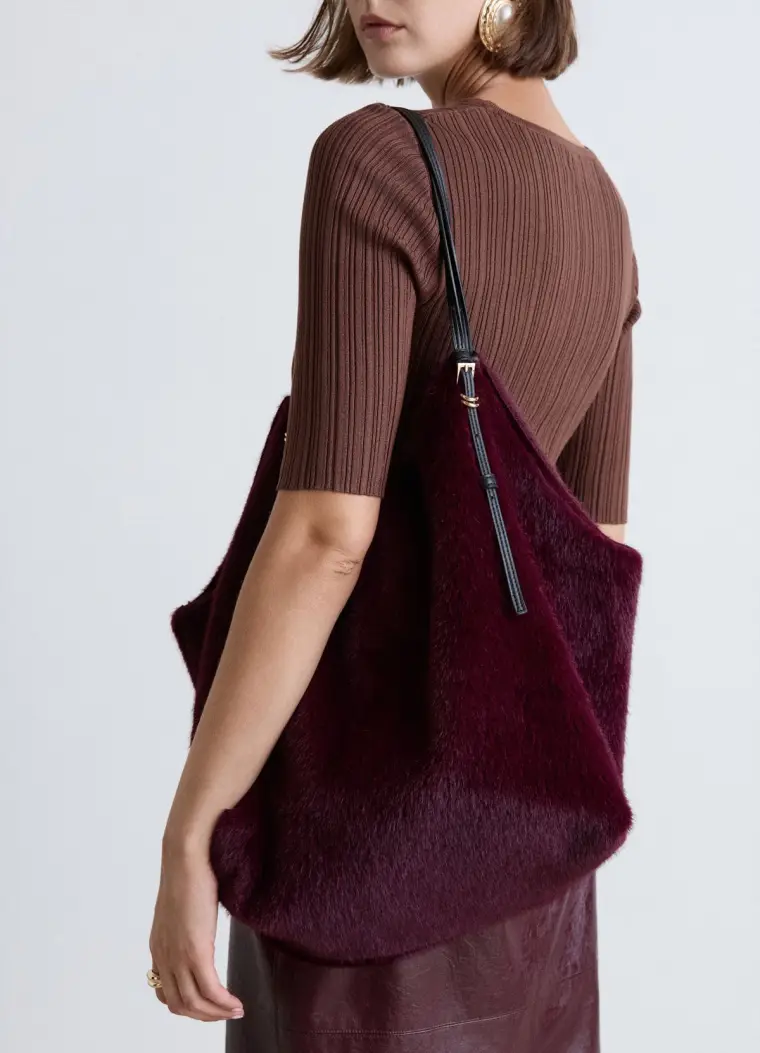
If you're starting out, put the strong colour in the 10%. A burgundy bag, gold babouches or a red scarf on a neutral outfit carry no risk, and that small spot of colour is exactly what makes an outfit look considered. Once you're comfortable, move it up to the top, then to the large pieces.
Contrast or tone on tone
Once the colours are chosen, you still need to set how light or dark they are against each other. Two routes work.
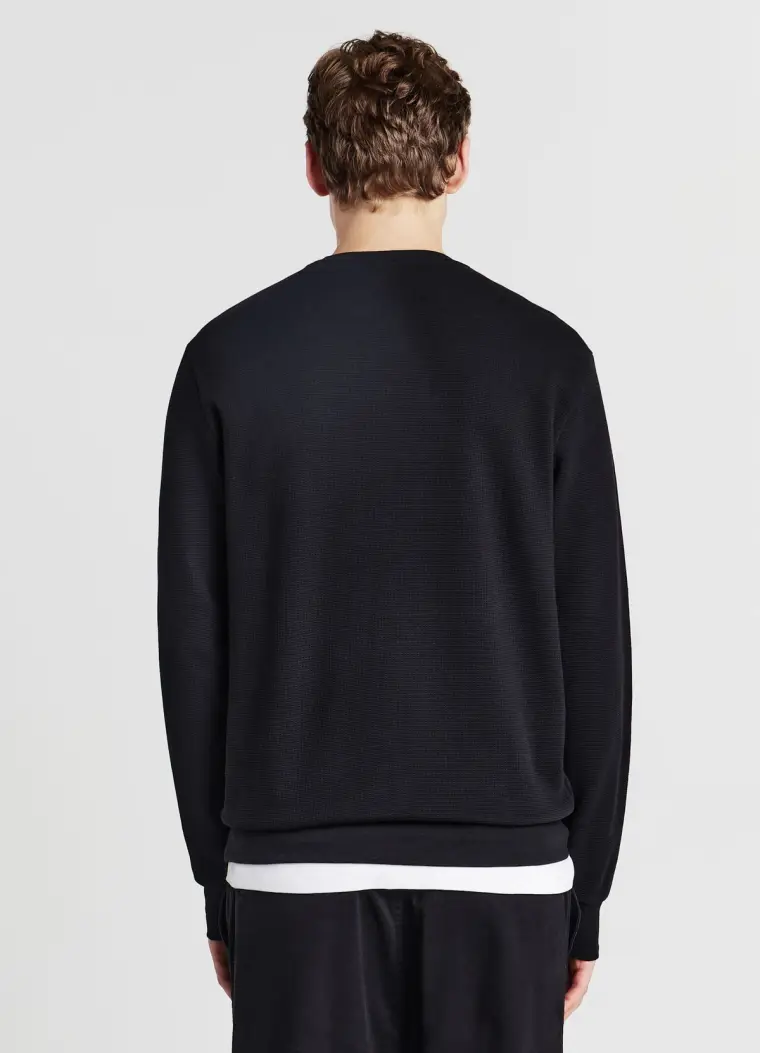
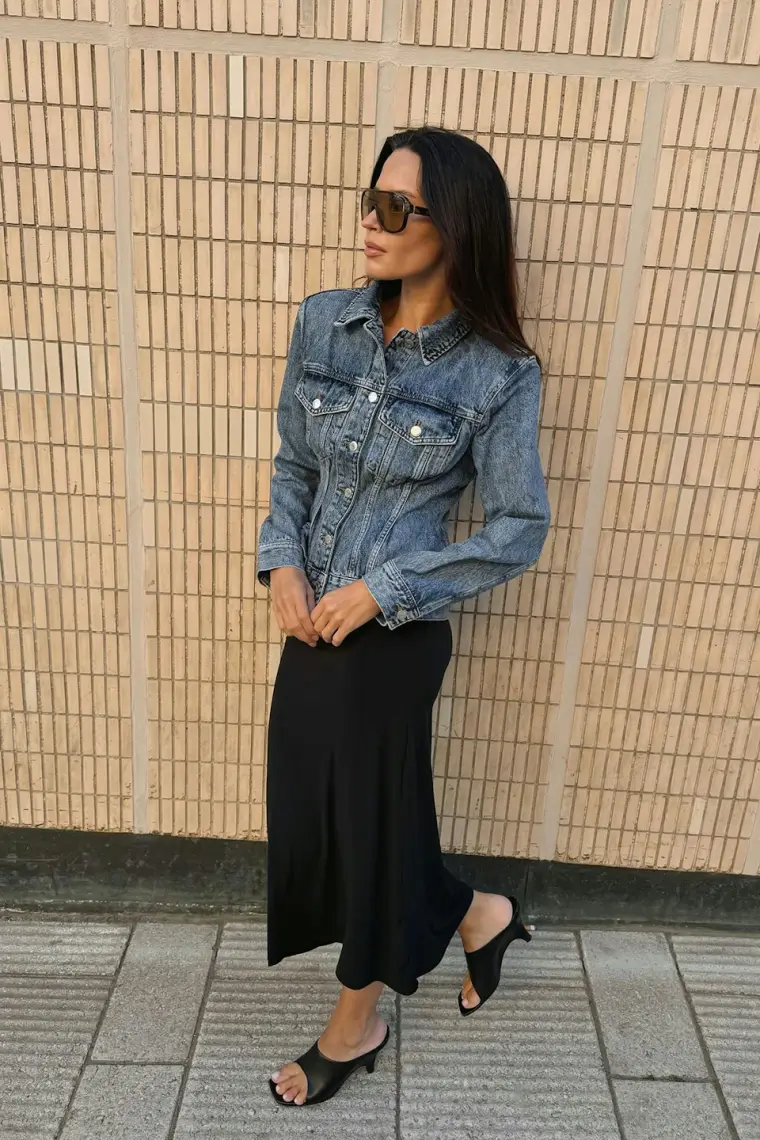
Contrast: light top and dark bottom, or the reverse. A white shirt with navy trousers, an ecru jumper with raw denim, a black top with beige trousers. It is clean, readable from a distance and suits every build. Contrast cuts the body where the two colours meet: put that line where you want to draw the eye, usually at the waist.
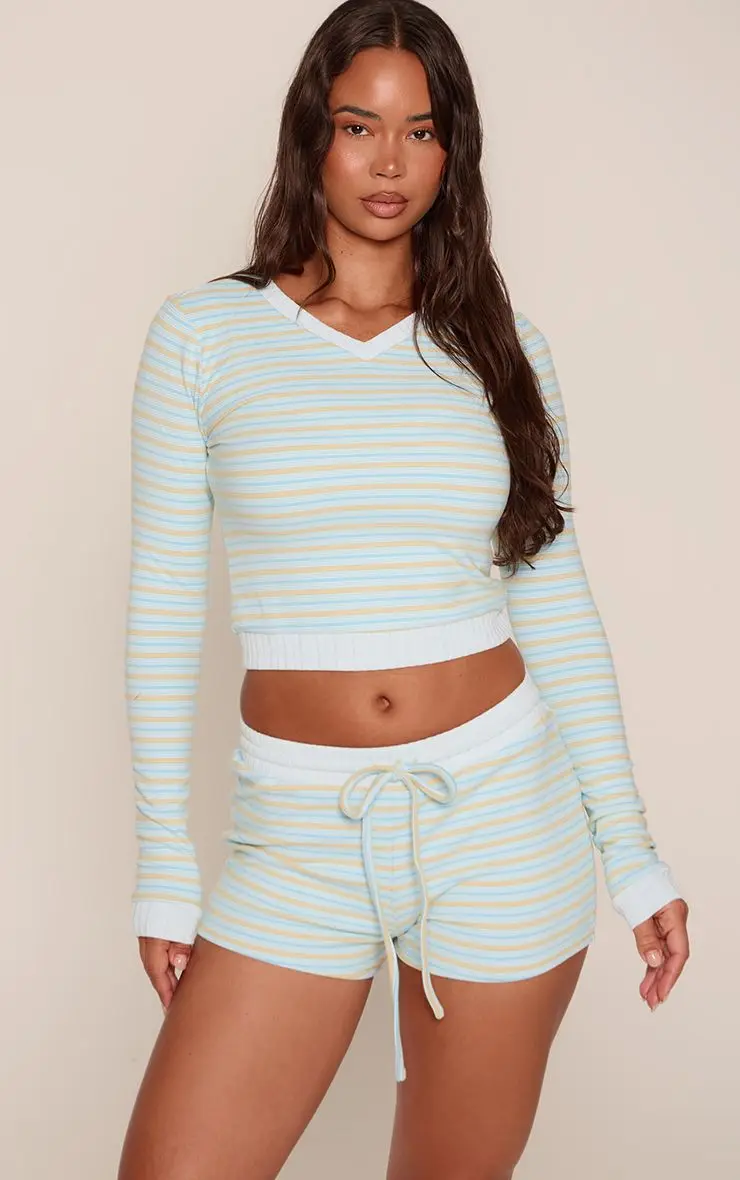
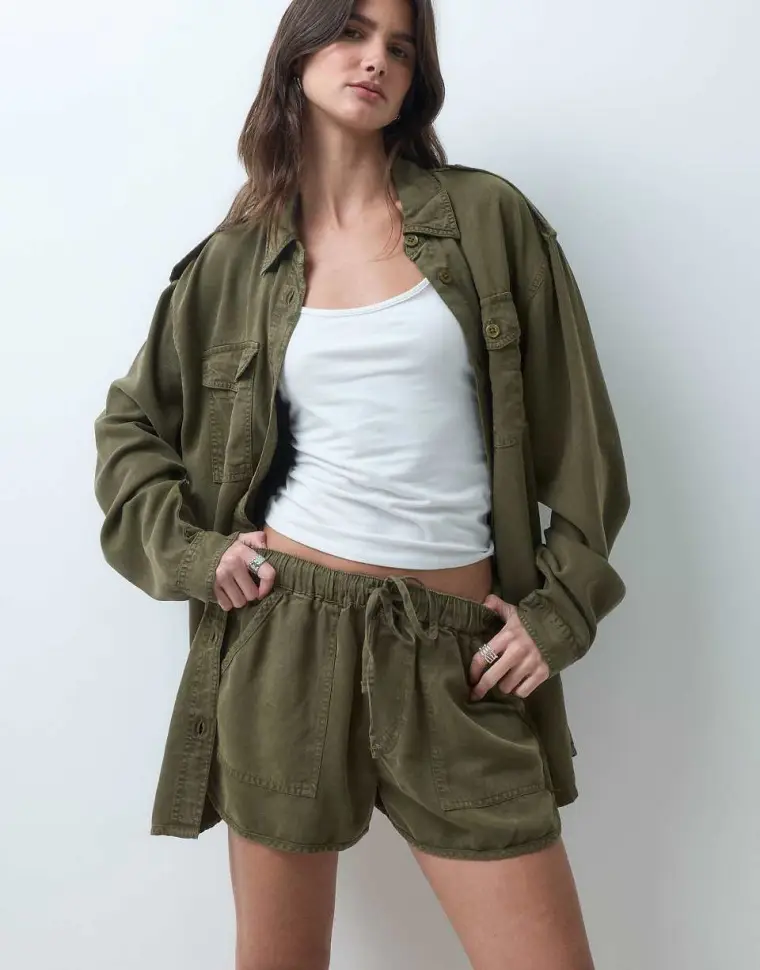
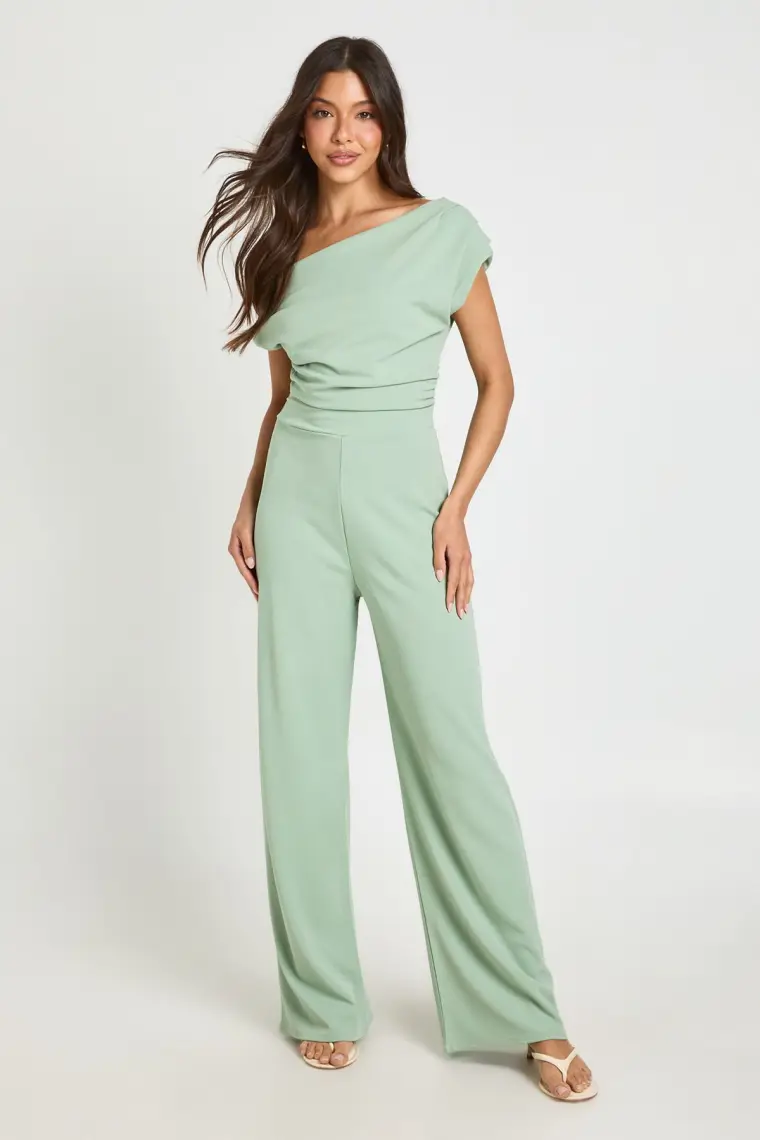
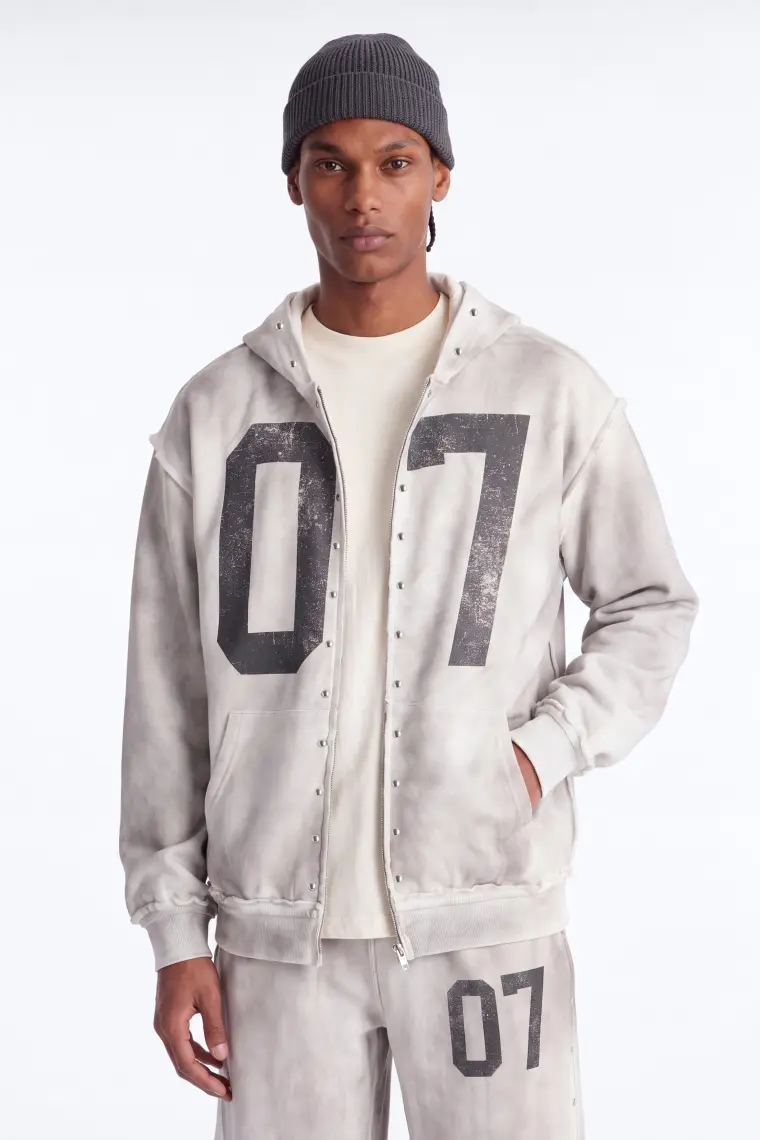
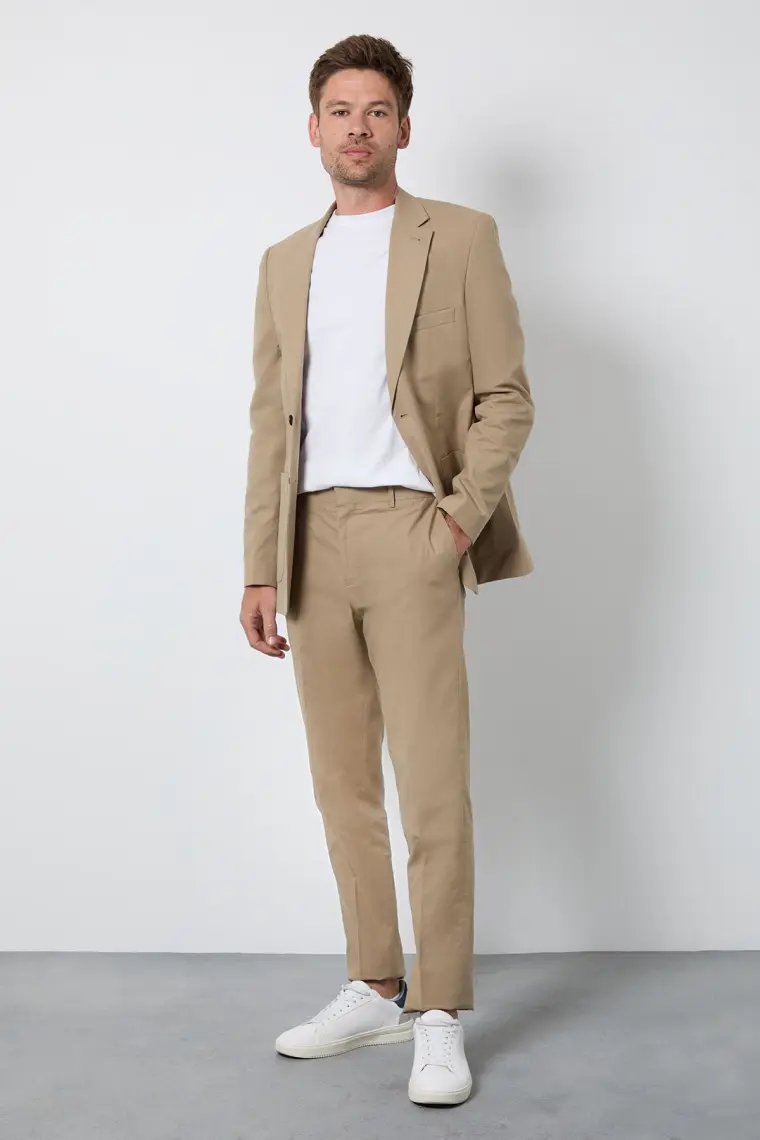
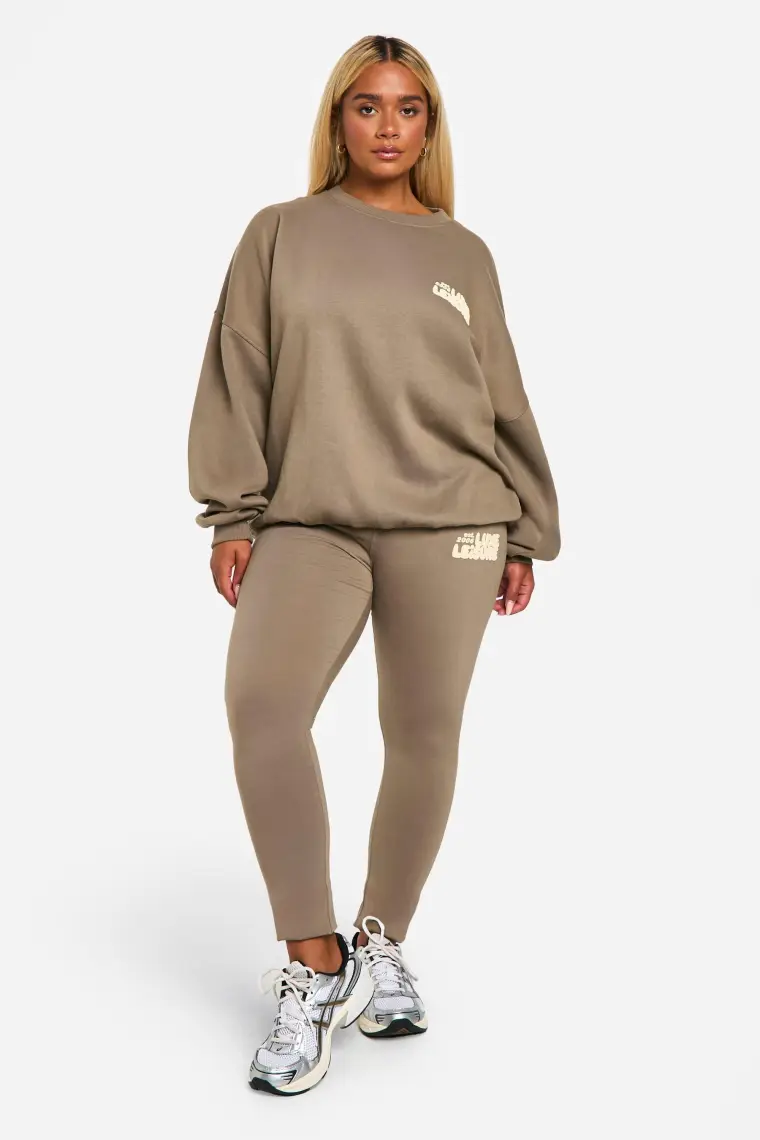
Tone on tone: several shades of the same family. Navy, blue and sky blue; beige, camel and ecru; charcoal, mid grey and light grey. This tonal look, and even more so monochrome, one colour head to toe, creates a continuous line that lengthens the silhouette. It is the best choice to look taller, and it is what gives beige and camel outfits their effortless elegance. To avoid the uniform effect, vary the textures: knit, cotton, linen, leather.
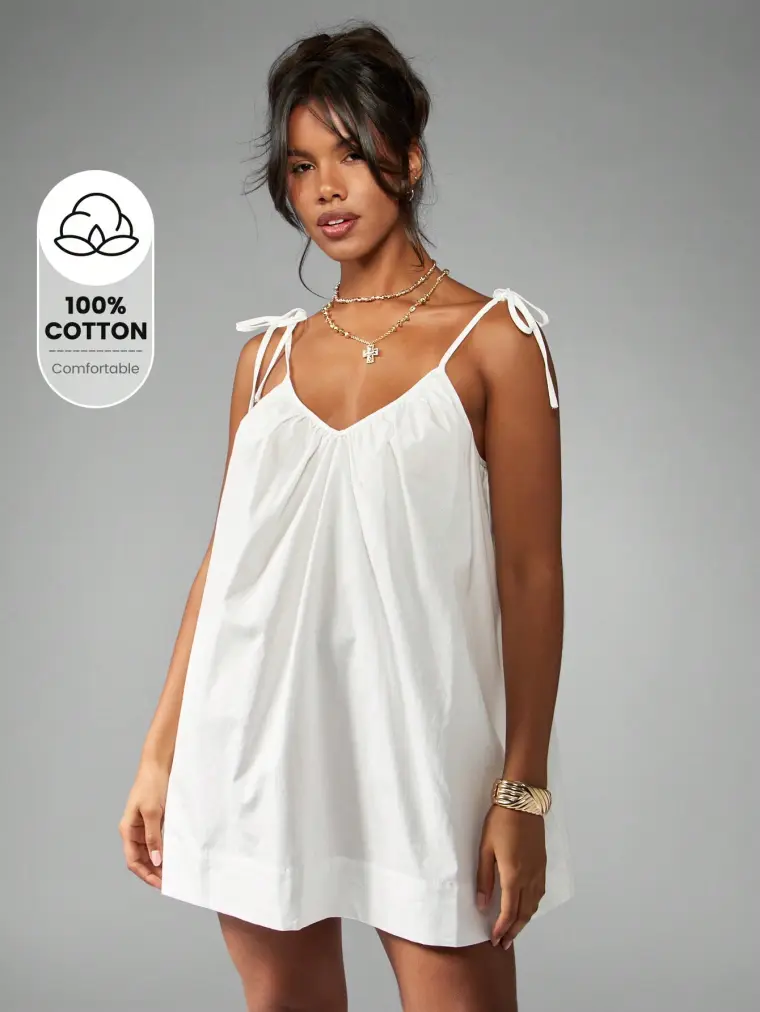
With the heat of much of the year here, light tone on tone, white, ecru, sand, beige, is also the most comfortable option: it reflects the light and still looks dressed.
Patterns: three rules are enough
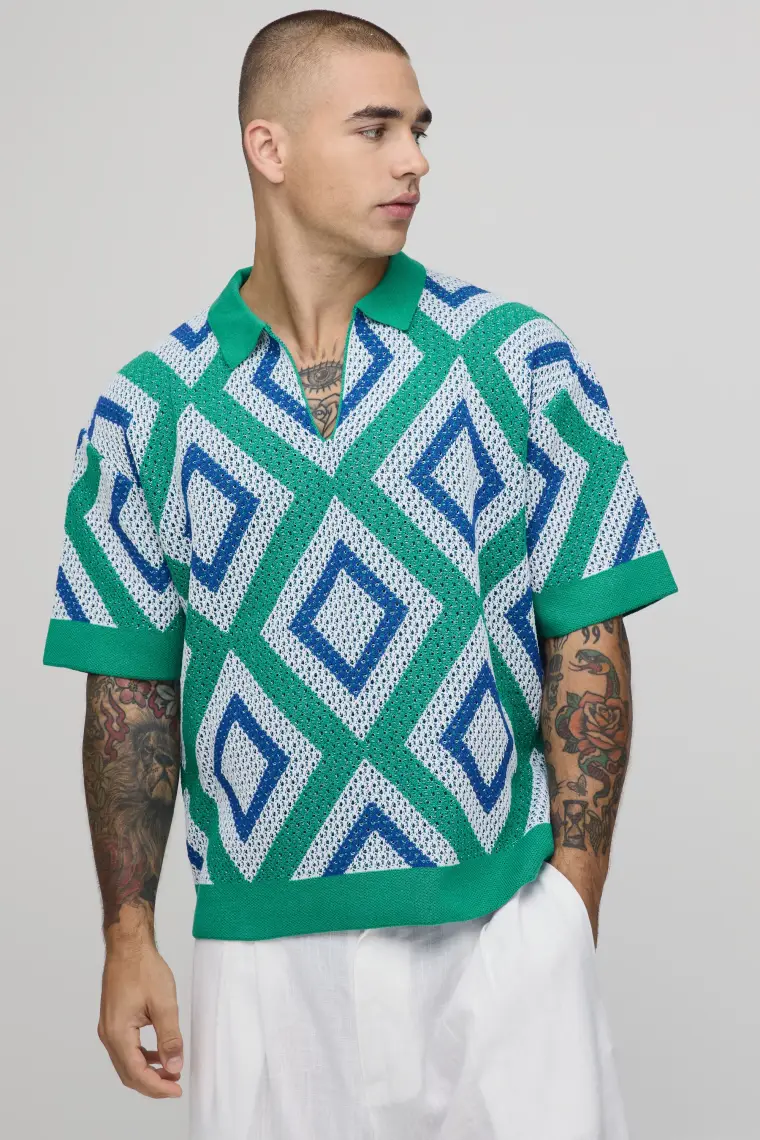
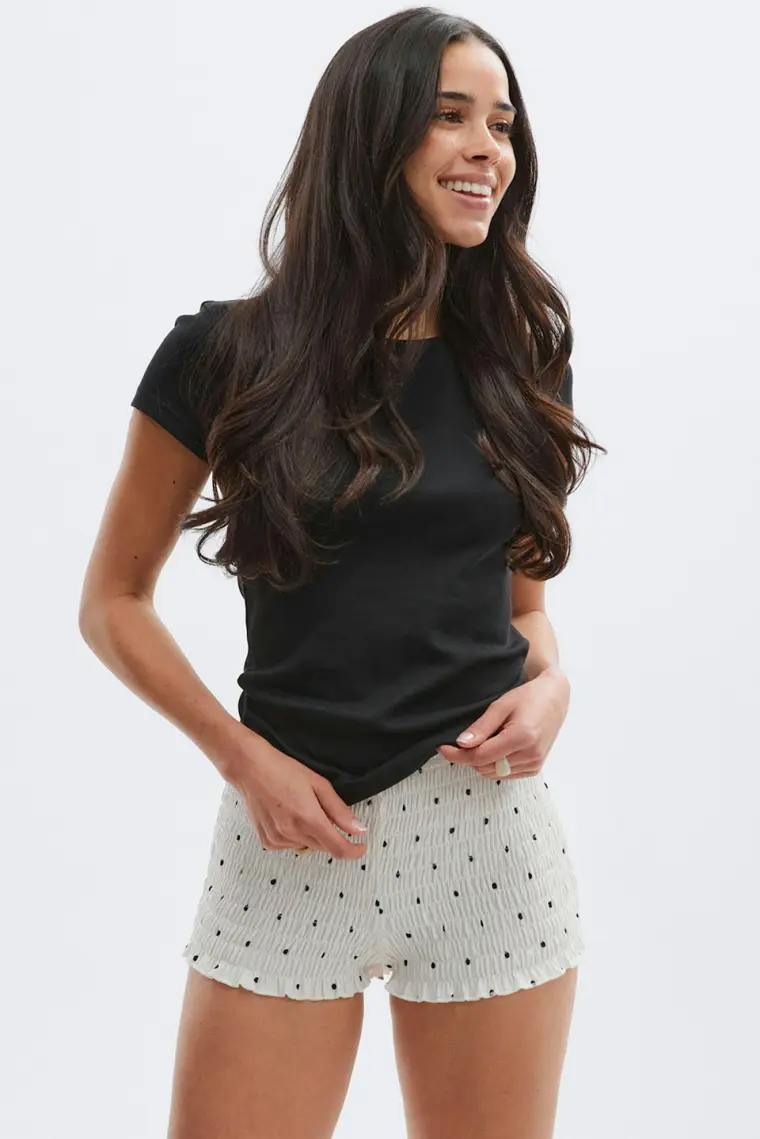
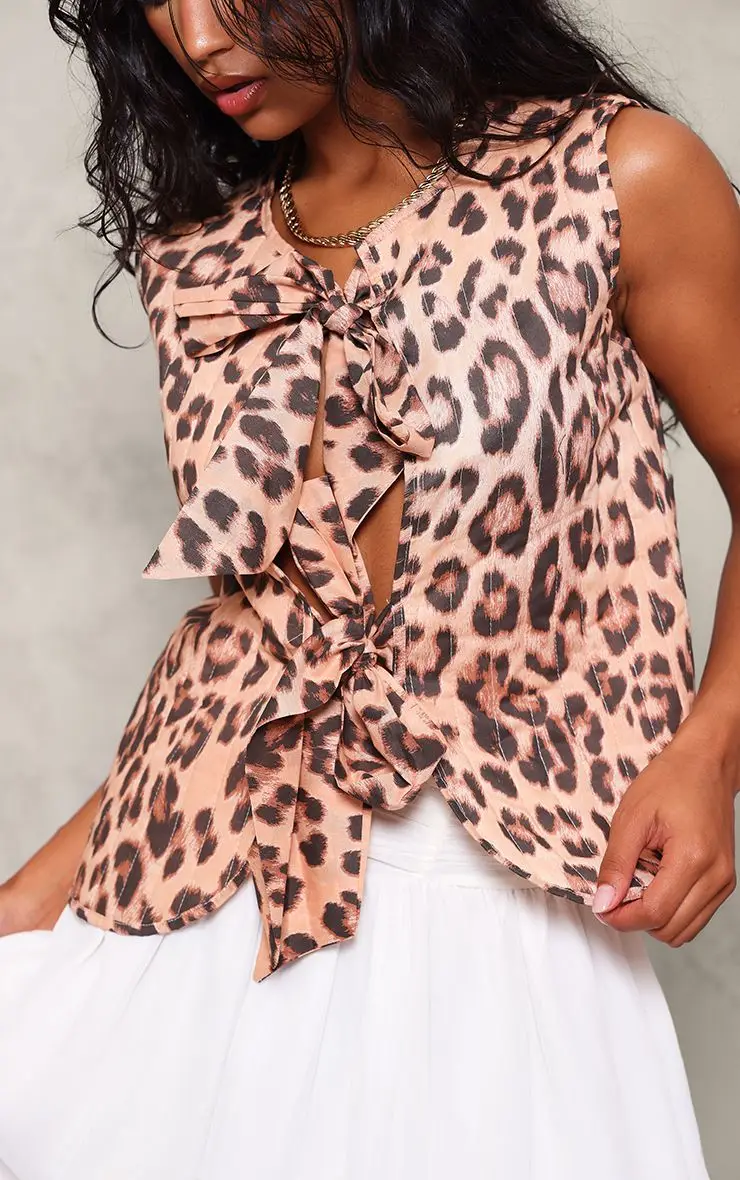
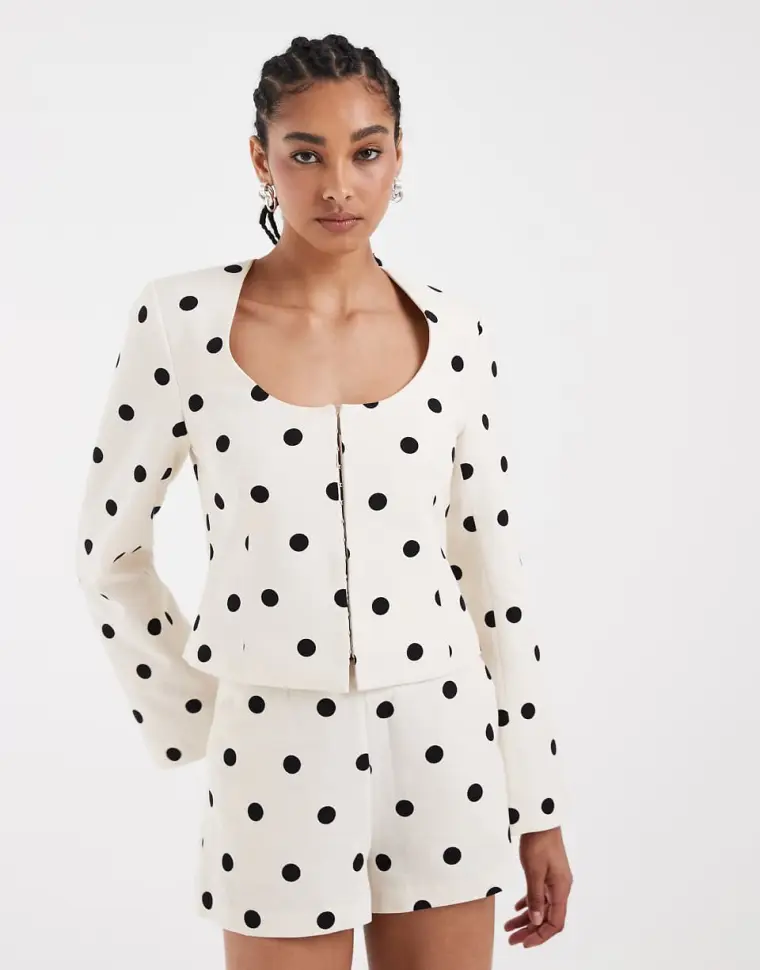
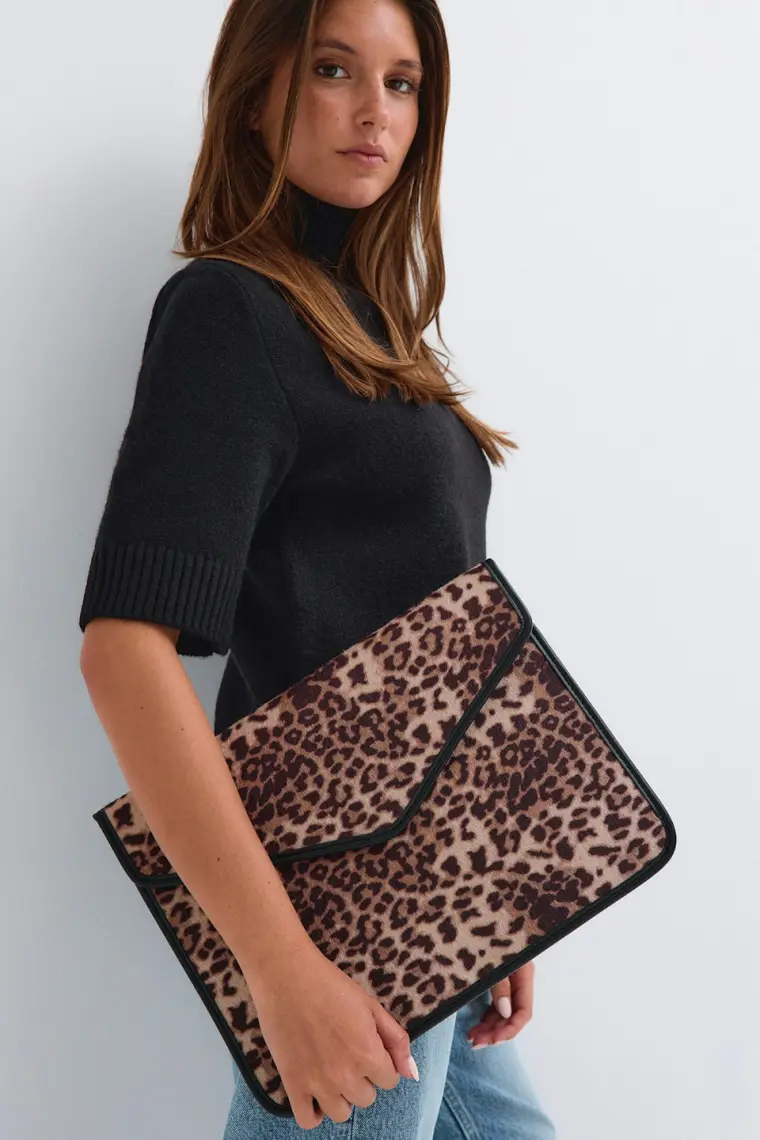
Patterns fall into three families: stripes, checks and fancy patterns, polka dots, florals, leopard and other prints.
- Never stripes with checks: the two sets of lines fight and the eye doesn't know where to land.
- Two patterns at most in an outfit, and in different sizes: a fine stripe with a large floral, not two patterns of the same scale.
- When in doubt, one pattern only, surrounded by plain pieces. A floral skirt with a plain top and neutral shoes never fails.
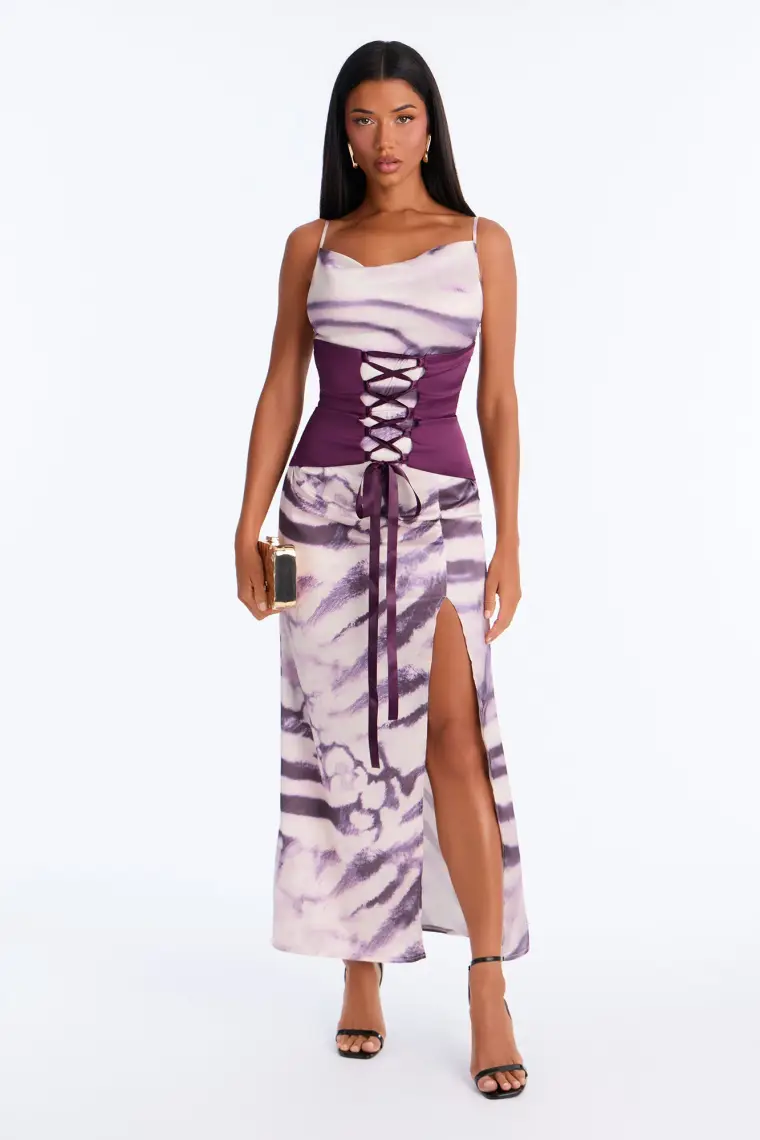
A pattern also counts as colours: its main shades go into your count. A pink and green floral dress already has its two strong colours; everything else should be neutral, or repeat one of the two.
Two statement pieces at most, and far apart
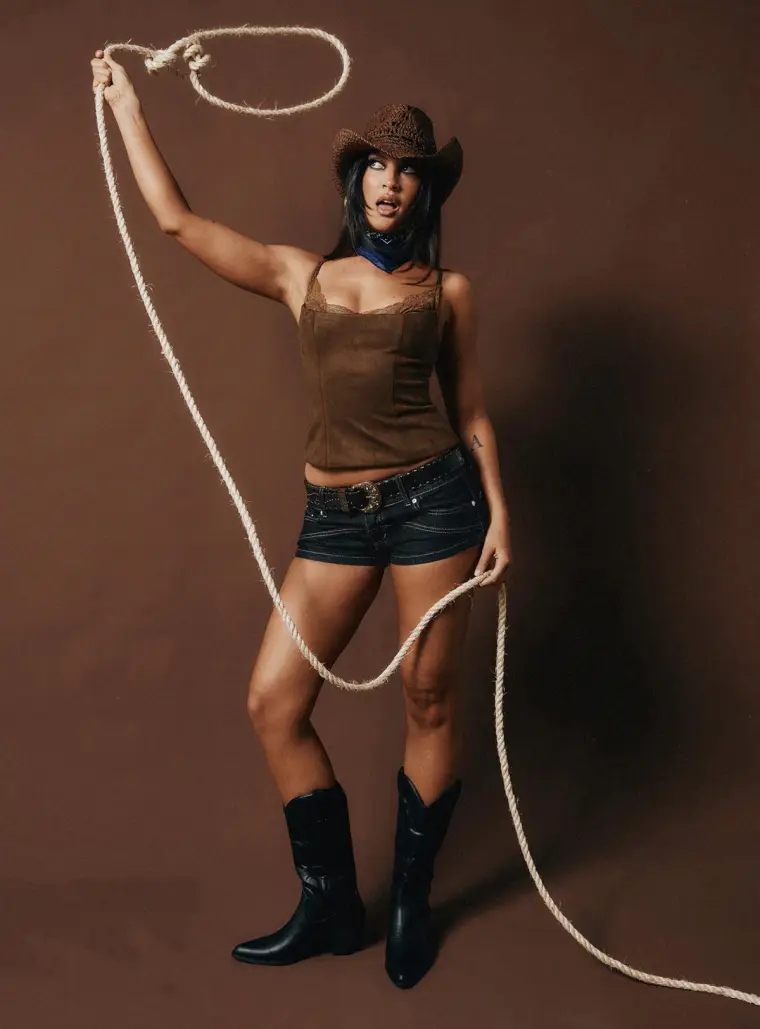
A statement piece is what people notice first: a bright colour, a pattern, a shiny fabric, a dramatic cut, a bold piece of jewellery. An outfit can take two at most, and they breathe better when they are far apart. A sequinned jacket and coloured shoes, yes. A sequinned jacket and a chunky necklace right below it, and they trip over each other. An embroidered caftan is already a statement piece on its own: the belt and jewellery repeat its colour instead of adding a new one.
Four outfits to copy
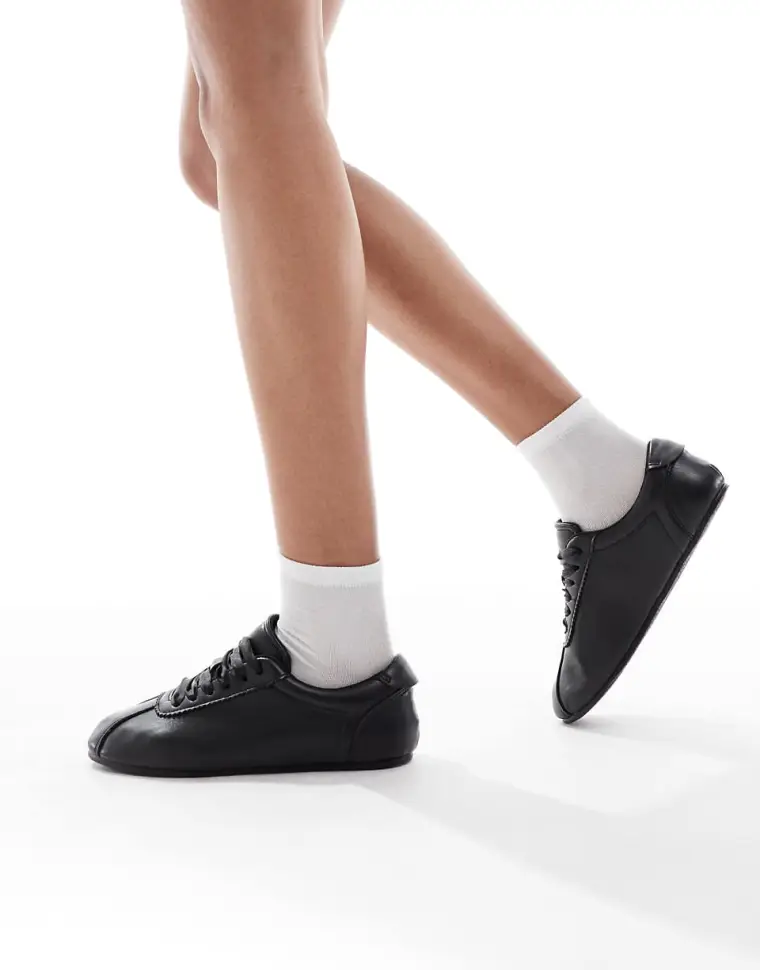
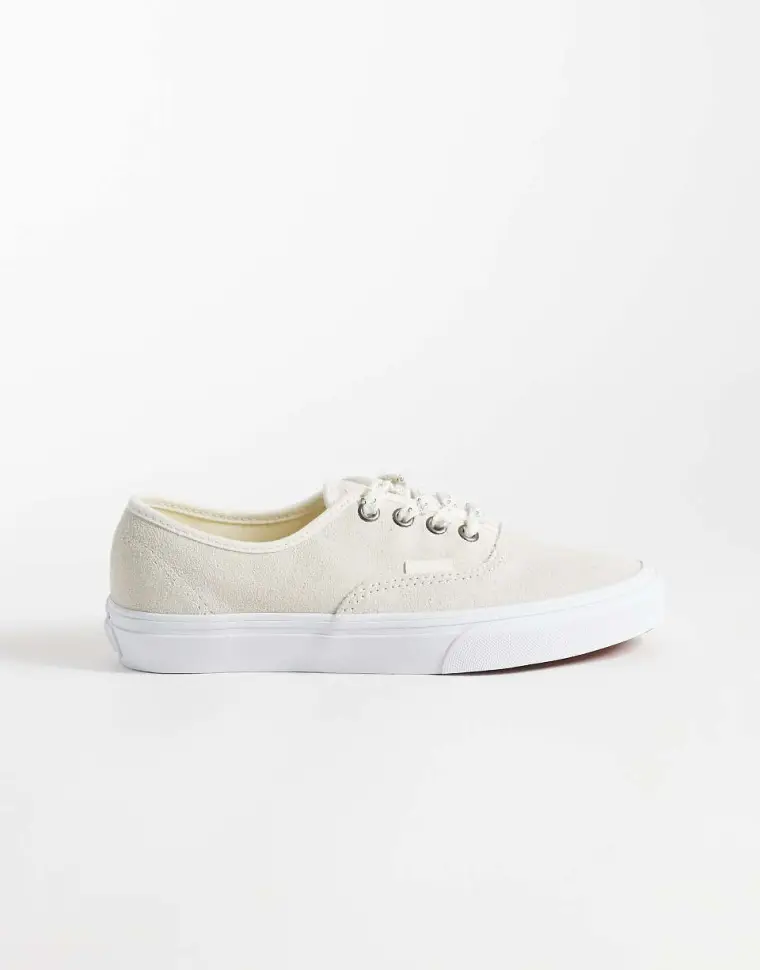
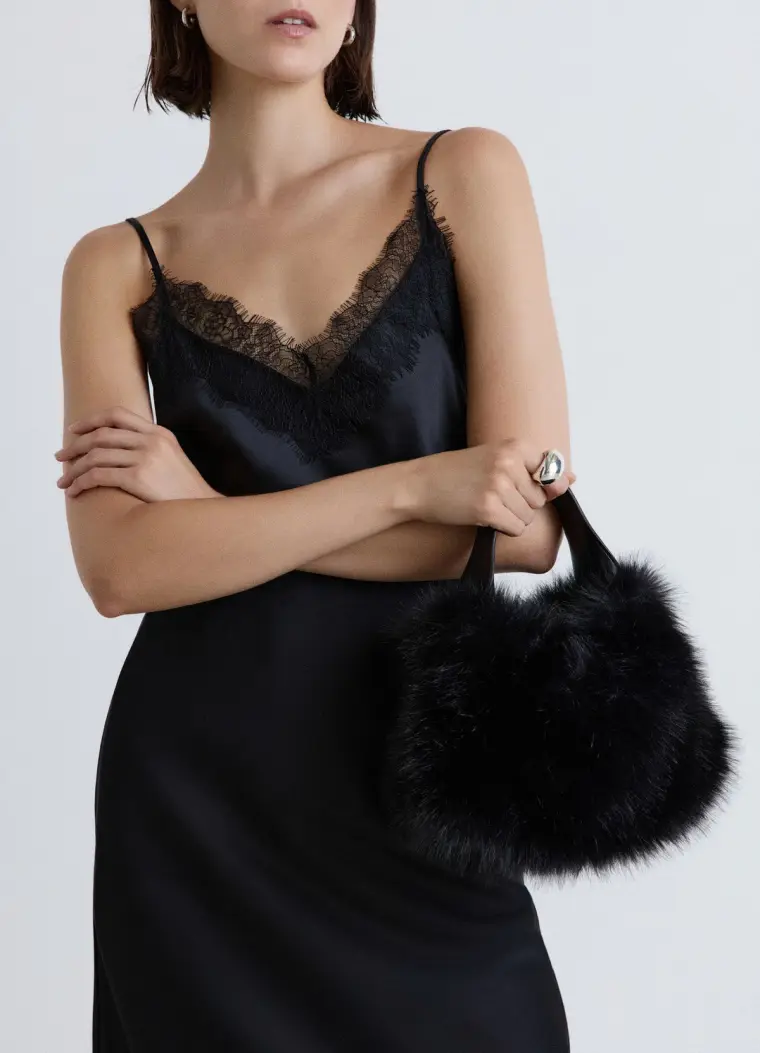
Everyday, for her. Straight jeans, an ecru jumper, white trainers and a burgundy bag. Three neutrals, one strong colour, placed on the accessory: that is 60/30/10 in its simplest form. In winter, add a camel coat, which stays among the neutrals.
The office, for him. Navy suit, white shirt, brown shoes, and a single accent: a burgundy tie or a dark green pocket square. Without a tie, the accent can come from a fine jumper worn under the jacket, in burgundy or bottle green.
Eid. A beige or ivory djellaba, gold babouches, and nothing louder. The light tone dominates, the gold is the accent. For her, the same logic: a cream djellaba or caftan, with a gold belt and jewellery. You'll find what you need in the traditional section.
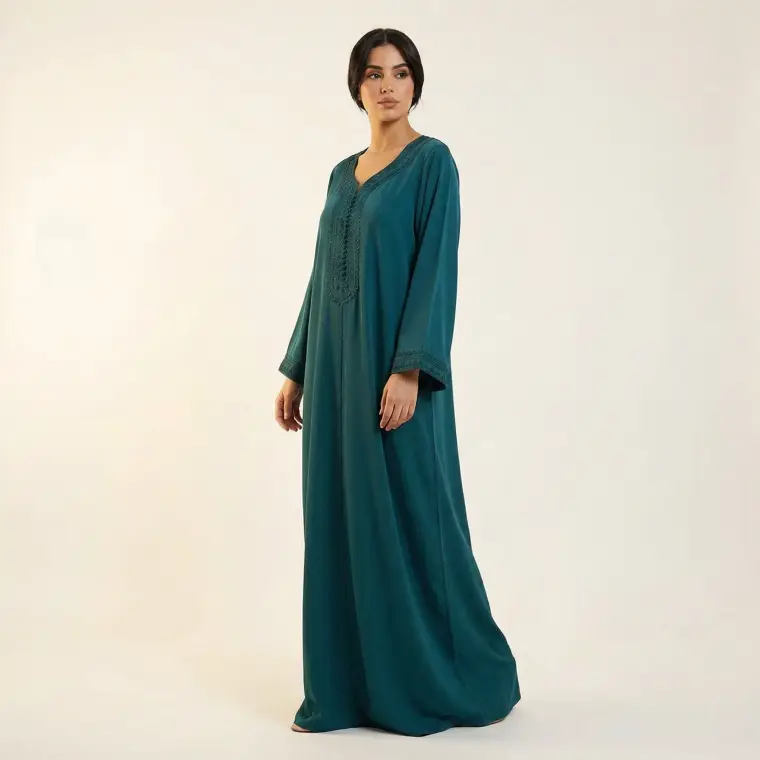
A wedding. A caftan in a single strong colour, emerald, burgundy or midnight blue, and everything else in gold or neutral: nude or gold shoes, a gold clutch. Don't add a second bright colour; the caftan has already done the job.
The habit to keep
Before you go out, count only the strong colours, never the neutrals. If you see more than two, take one off. If you see only one, check that it is on the piece you want to show. And if you put your outfits together in the Ma Garde-robe app, the Composer checks these same rules for you.